
It is well documented that non-profit organizations need to 1) show gratitude, 2) prove that a contribution is being used in the manner it was intended, and 3) demonstrate impact in order retain a donor. This could be one reason why some non-profit organizations are starting to produce online videos to say THANK YOU to donors.
When you think about it, video is a great medium to “show” people all sorts of things including the three elements of stewardship that I just mentioned. Additionally, the low-cost (virtual no-cost) of digital videos makes this an irresistible activity for many non-profit organizations.
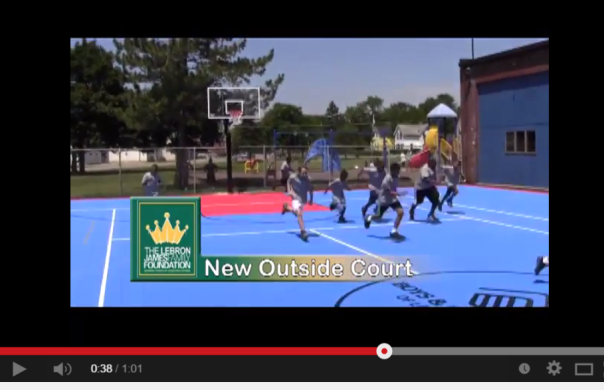
The following is a video from the Boys & Girls Club of Lorain County, and it was produced by the kids for Lebron James:
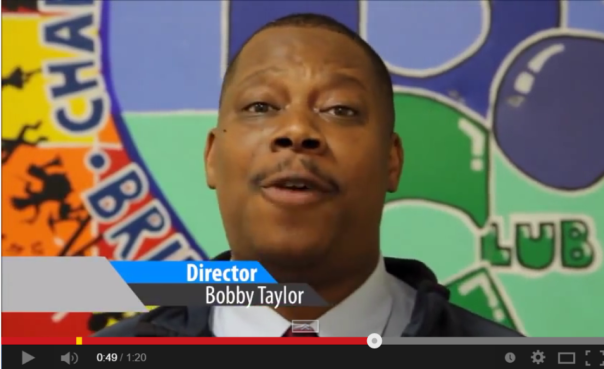
The next video is from the same organization, and the donors being thanked are a church congregation:
After a little clicking around online, fellow blogger and non-profit marketing guru– Kivi Leroux Miller — wrote a similar post almost a year ago titled “A Few Great Thank You Videos” with a number of fabulous links to videos.
If your organization is interested in trying its hand at directing a “thank you video,” you might want to check out the following resources:
- The Chronicle of Philanthropy: “How to Make Great Thank-You Videos“
- DonorDreams blog: “Online videos offer endless opportunities to non-profits“
- DonorDreams blog: “Places everyone! Online videos and fundraising“
Is your agency starting to use digital technology to steward donors? If so, what have you learned? What feedback, if any, have you received from donors? Please scroll down and use the comment box to share your thoughts and experiences.
Here’s to your health!
Erik Anderson
Founder & President, The Healthy Non-Profit LLC
www.thehealthynonprofit.com
erik@thehealthynonprofit.com
http://twitter.com/#!/eanderson847
http://www.facebook.com/eanderson847
http://www.linkedin.com/in/erikanderson847
 I have a confession to make. For years, one of the ideas I’ve shared with clients is that a postcard can be an effective stewardship strategy. The truth is that I’ve doubted the effectiveness of this strategy primarily because I had never seen it done well. Today, I’m able to say that I’ve seen the light and officially have become a believer thanks to my alma mater — University of Illinois (UIUC).

 Craig Linton, blogger at
  Acknowledgement letters, emails, phone calls and gifts
 Inviting donors to take a tour
 Send chocolate covered strawberries
 “I laughed at the Lorax, “You poor stupid guy!
 Other stewardship activities definitely get you a little closer to building that relationship and understanding your donors’ rationale for making a charitable contribution:
 Earlier this week, I found myself walking into a title company to interview a donor for a client. As I walked into the office building, I noticed the following things:
 I walked away from the conversation thinking this was a unique, fun and quirky business practice. I also came to understand that this business practice was a genius idea on so many different levels:
 Those of you who regularly follow this blog know that every post in May 2014 was dedicated to the idea of how non-profit organizations build loyalty among various stakeholder groups (e.g. donors, board members, staff, volunteers, clients, etc). All of those posts culminated yesterday when DonorDreams blog hosted this month’s
  Enjoy the reading!
 Welcome to the May 2014
  Donor loyalty & fundraising
 Brand loyalty, marketing & social media
 At DonorDreams blog, I dedicated the entire month of May to this month’s Nonprofit Blog Carnival theme of loyalty.
 When I decided to ask local non-profit organizations to use my blog platform to talk about some aspect of building loyalty with a particular stakeholder group, I sent out a ton of email and social media requests to former clients and friends asking them to consent to an interview or send me something in writing.
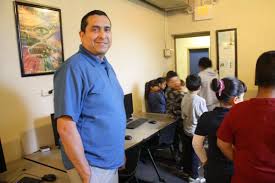 “It all ties together,” explains Jaime. “The big challenge is creating a culture that appreciates and strives to create loyalty.”
 “It is all about relationships,” explained
 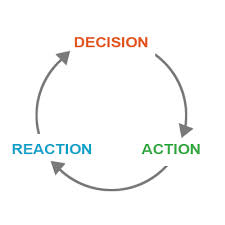 In addition to these individualized sit down meetings with the executive director, the Club invests time and resources in a variety of other donor stewardship activities including: