
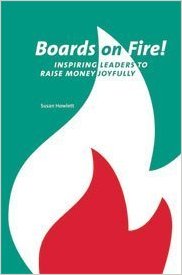
 Organizational culture is a difficult dynamic to change. After all, birds of a feather flock together, right? It is for this reason that simply changing the people sitting around your boardroom table is likely a very difficult strategy to employ (albeit not impossible or wrong). While this strategy is the most commonly suggested one by non-profit consultants, I recently found comfort and inspiration from Susan Howlett’s book Boards on Fire! Inspiring Leaders to Raise Money Joyfully.
In Howlett’s easy to read paperback book, she recounts a story about working with a board that was resistant to fundraising. After trying everything, she simply asked everyone if they would be willing to call two of their friends and engage in a discussion about:
- why they decided to serve on the organization’s board of directors
- what the organization’s mission is and what it does
- a recent organizational success story
At the end of the phone call or coffee meeting, board members were coached to ask their friend if they would mind receiving periodic updates (e.g. email, phone call or in-person visit) about what is going on.
If the board volunteer’s friend was agreeable, then in the subsequent months board volunteers were provided the following shareable things:
- short emails with snippets of good news or links to online articles about the organization
- requests to do something on behalf of the organization (e.g. call legislators or city council representatives)
- invitations to attend something (e.g. facility tour, reception, etc)
In the end, Howlett’s strategy changed board culture and resulted in what she describes as a “board on fire.”
If you couldn’t tell, I highly recommend adding this book to your summer reading list. I suspect it will be a game changer for you if you’re grappling with the question of “how to inspire and engage your board in fundraising success?”
After reading this joyful little book, I was reminded of the following basic truisms:
- fundraising is a learned skill and not something people are born to do
- engagement (e.g. cultivation) is important to fundraising volunteers because when it comes time to asking for money it feels like the pre-solicitation groundwork has been laid (e.g. they’ve earned the right to ask for money)
- cultivation doesn’t happen without significant staff support (e.g. feeding volunteers materials to share, organizing informational house parties, etc)
 If your board is resistant to the idea of fundraising, I encourage you to first take a good hard look in the mirror and ask yourself the following questions:
- What boardroom trainings and generative discussions have you helped add to the board meeting agenda and support?
- What cultivation materials have you provided to board volunteers with instructions on how to share with others? (e.g. stories, videos, articles, advocacy opportunities, newsletters, annual reports, etc)
- What cultivation events have you organized? (e.g. lunch-n-learns, facility tours, house parties, etc)
- What individualized coaching have you done with especially resistant board volunteers? (e.g. teaching others how to tell better stories)
- How many cultivation visits have you gone with board volunteers on to model effective storytelling and information sharing? (e.g. modeling for others how to tell better stories)
I know it might be a bitter pill to swallow, but the reason your board might not be excited about fundraising could be because you aren’t excited about it or you aren’t supporting them effectively.
If you have done these things, you might want to ask yourself a different question, “How could I tweak these strategies to make them more effective?”
Have you had success in changing your boardroom culture around the idea of fundraising? If so, what strategies did you employ to create a “board on fire?” Please use the comment box to share your thoughts and experiences. We can all learn from each other.
Here’s to your health!
Erik Anderson
Founder & President, The Healthy Non-Profit LLC
www.thehealthynonprofit.com
erik@thehealthynonprofit.com
http://twitter.com/#!/eanderson847
http://www.facebook.com/eanderson847
http://www.linkedin.com/in/erikanderson847
 Oh, well let me count the reasons . . .
 I have no idea why this is so scary for so many non-profit staff and board volunteers. It doesn’t have to be a confrontation. Here are a few talking points:
 If the reasons given by your board volunteer aren’t things beyond anyone’s control (e.g. family member illness, work-related challenges, etc) and they simply don’t feel comfortable with solicitation, then ask them to get heavily involved in cultivation (e.g. engaging new prospective supporters) and stewardship (e.g. showing existing donors gratitude and return on investment) activities. (Note: don’t simply let them focus on other non-fundraising activities like programming or marketing)
 Sometimes we can’t fix the problem. Board members are people, too. Their parents get sick. Their marriages falter. They end up with a new boss who demands more from them.
 A few days ago, I was Skyping with Henry Freeman, the owner of
  That is it . . . I am fed up and can’t stop myself from saying something that has been on my mind for a little while now. Can non-profit organizations please stop running around and telling anyone who will listen that the economy is bad and the recession is hurting their agency?
 Good morning everyone! Yesterday was New Years Day and I spent the first day of 2014 in a car trying to make it half way back to the Dallas-Fort Worth metroplex. As many of you know, I am still working on a contract temporarily providing technical assistance and organizational services to 20 organizations in New Mexico and West Texas.
 Let me first address the question of whether or not resolutions are meaningful.
 When I opened my non-profit consulting practice 2.5 years ago —
  One of the features on my company’s website offers viewers the opportunity to subscribe to a free monthly eNewsletter.
 I graduated from the University of Illinois Urbana-Champaign with my graduate degree in Urban Planning in 1994. In the summer immediately following graduation, I received my first fundraising appeal from the university. So, this story started almost 20 years ago, and it ended last night in an Applebee’s restaurant in Roswell, NM. In my opinion, there are lots and lots of little lessons throughout this story that every fundraiser should internalize.
 Almost 13 years later, The Chief danced his last dance at a football or basketball game.
 Wow! We have lots of money in our community.
 Here is a recipe I suggest you consider when it comes to your prospect identification strategy:
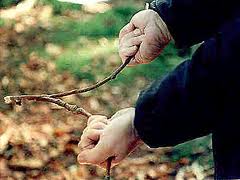
 Oh heck . . . if you don’t want to follow this simple, sound and proven advice, then hire me. I am happy to be your water witch. Just give me a moment to run out back and pick a fresh Y-shaped stick off of my magic fundraising tree.
 Every year, it seems like one of the charities I support is celebrating some kind of anniversary or milestone. Most of the time, it relates to the age of the organization, and it is typically a milestone like 25, 50, 75 or 100 years of existence. Sometimes it is a different kind of anniversary, where they’re celebrating a board member’s years of service or the age of something physical like a building. Regardless of the opportunity to celebrate, a fundraising solicitation is never far behind; however, anniversary celebrations can be so much more than just putting your hand out.
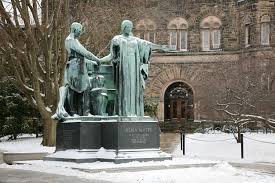 A few weeks ago, I started getting email and snail-mail announcing the 100th anniversary of the
  For example . . .