
Kari Kiel of DoJiggy reached out to me a few weeks ago and asked if I’d be willing to let her periodically guest blog on my site. As I have done from the start, I’m thrilled to allow other voices access to this space such as Marissa Garza, John Greco, Dani Robbins, Mike Johnson as well as others. I’ve always received rave reviews from those of you who I know about our guest bloggers. I’m confident you’ll love Kari as much as you have the others. Enjoy! ~Erik
6 Tips to Help Your Nonprofit Achieve Better Results at Your Next Fundraiser
By Kari Kiel of DoJiggy
Guest blogger
In order to be successful in your fundraising efforts, it’s important to create a solid fundraising plan. Fundraising is not just about sending a donation request letter to your donor database and then waiting for donations to come to you. It’s much more strategic. It’s about effective communication, planning and leadership, managing time and resources efficiently, integrating new ways of reaching out to existing supporters and tapping into new potential supporters.

Below we share six tips to help your organization achieve better fundraising results through strategic planning:
- Choose Your Campaign Wisely
Before you get started planning a fundraising event, you must choose your campaign. Of utmost importance is making sure the campaign theme and type of fundraiser makes sense for your cause. Explore a variety of fundraising event ideas to find the perfect one for your organization.
Consider the following:
- Mission alignment: does the chosen campaign communicate your mission and/or cause? if you are an organization promoting health and wellness, perhaps your campaign should mirror that mission by offering a walk-a-thon or fundraising campaign that promotes well-being in addition to raising funds
- External factors: what time of year is it? Are people anxious to get outside where a walk-a-thon or golf tournament might be the right fit? What’s the state of the economy like? Are budgets tight? if so, consider seeking smaller investment amounts from a larger pool of donors rather than hosting an extravagant gala event.
- Setting & Monitoring Goals
 What goals do you hope to achieve with your fundraising campaign? In addition to raising funds, what else do you hope to accomplish: spread awareness, gain new supporters, strengthen relationships, etc. Jot down your goals as this will shed light on the activities that will follow.
Here are some examples of goal setting:
- If you wish to spread awareness of your cause and gain new followers, then perhaps an online fundraising campaign is right for you. With a crowdfunding initiative (or peer-to-peer fundraising campaign), you engage participants to help spread the word through their networks via numerous social channels. This attracts funds from a much larger pool of potential donors by spreading your message beyond typical channels.
- Perhaps your goals are more focused on strengthening relationships with existing donors. If this is the case, maybe a gala fundraising event or celebrity golf tournament is a better choice. You invite select VIPs and treat them to a night of entertainment and appreciation. Money can be raised through ticket sales, a silent auction, contests, and more.
Another part of goal-setting is monitoring progress. You should consistently be aware of where you are relative to your goal. When using fundraising software, fundraising thermometers can help you see where you are relative to your goals and also give you an opportunity to highlight top performers, thus motivating others.
- Budget & Resources
Be sure to choose a fundraising campaign that’s within your means. What budget do you have for planning your campaign? If it’s pretty small, perhaps an online donation drive or charity auction might be the perfect fit, as these have lower associated costs.
What about resources? How many people will be working on the fundraiser? Do you have a leadership team to help plan and manage or is it left to just one or two people? Consider your network and your board of directors. Are there any ties to local businesses that might be interested in sponsoring the event? Consider any way you might be able to creatively minimize expenses: Use volunteers whenever possible, use online channels to spread the word (rather than paying postage), and seek donated items for raffle prizes or charity auctions. You may also wish to ask businesses to donate items that typically cost you money (i.e. printing, signage, or decorations) In exchange, you can offer them exposure at the event.
- Outreach
 Who is your target market and where can you find them? Are they active online? If so, make sure you have a fundraising website that’s attractive and easy to navigate. Then not only will you want to make sure your message gets broadcast through online channels, but also make sure it’s easy for people to share your message. Use social sharing widgets & post cool imagery and videos that draw people in. Give people an incentive to help you spread the word. Award people who raise the most funds or drive the most traffic to your website. Look to relevant social media groups that are already invested in your cause and may be more likely to give back. Don’t forget about online channels such as online community groups, local email lists, online calendar of events listings, etc. Leverage existing connections by asking them to tap into their networks.
If your event is a local attraction (such as a charity golf tournament or local fundraising event) seek local media coverage. Invite media to attend the event and you’ll get some free press and increased awareness. You may also want to put posters up in local stores, mass transport or community centers. Don’t forget about pitching local businesses for sponsorship. They love the opportunity to get their products and services out in front of a receptive local community and in exchange, you can raise money through sponsorship fees and take advantage of their help promoting the event.
- Be Organized.
Of utmost importance is being prepared. Create a fundraising calendar and checklist to make sure you are staying on track. Most fundraisers require starting at least 6 months out! By planning ahead, you can ensure sufficient lead time for publicizing and preparing for these events. Situations change, so remaining flexible is essential; however, by scheduling events well in advance you can be certain that everything is in place and ready to help make your fundraising activities successful.
Use fundraising software! There’s no need to create excel spreadsheets and file folders of all your to-do items. With fundraising software, your planning team can use a back-end administration area to manage all the details of the event. They can publish and update information, post announcements, and generate numerous reports. Your organization becomes much more efficient by using a software service. Instead of manually taking registration cards, participants can sign up online and automatically get added to your database and communication list. You can also collect online donations with credit cards instead of manually dealing with cash. Progress is tracked in real-time; as each donation is made your fundraising thermometer rises.
- Evaluation
Keep comprehensive records of the entire planning process. See what you did right and what could be improved on. By maintaining records of each contact with potential donors and the work that has been done in your fundraising efforts, you can ensure that you are not duplicating efforts or neglecting to follow up with interested donors. You may want to survey those who were involved. Find out what participants liked about the process. If you utilized fundraising software, did they find the website user-friendly? Did you see donations increase with the ability to accept contributions online? Make use of Google Analtyics®. Your fundraising website can show you were traffic came from. This can help you see which social channels were most effective, or if you received leads from a particular partner or media channel.
In Summary
Strategic fundraising can help your organization be more efficient in your planning efforts. It can also help you maintain a solid reputation in the eyes of your supporters. By managing your fundraising strategy effectively, you can ensure greater financial stability while hosting more lucrative fundraising campaigns.


 I first met Noel more than a year ago when I signed a capacity building contract with
  John is the other marketing guy who has been in my life for the last year.
 Do you know which skills and experiences are most important for a new board volunteer to possess in order to succeed on your board? Knowing this could help your organization conduct better prospecting exercises and result in better prospect recruitment lists. Today’s post is the third in a three part non-profit board development series that started last week. During this time, we focused on a recent survey released by our friends at non-profit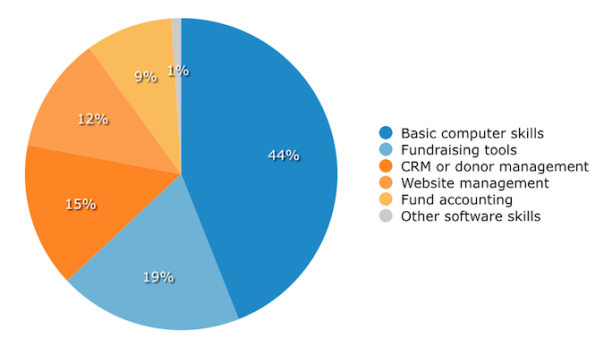

 If you haven’t heard
  I am a member of GenX, and this news made my heart sing. I was so excited to hear that my Baby Boomer board could be transformed into that type of board. I came home from that conference with renewed focus and determination to figure out how tech can help my board become more engaged and efficient in governance.
 When I read that only 25% of survey respondents identified “fundraising skills and experiences” as having a great impact on a board member’s success, I literally groaned and rolled by eyes.
 Do you know what is rattling around someone’s head during your non-profit board recruitment process? Knowing this could help you design a better process with better tools. This week and part of next week, we are focusing on a recent survey released by our friends at nonprofit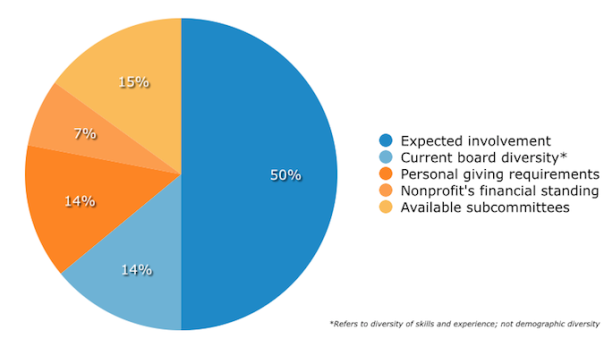

 Most non-profit organizations have a very clear understanding of what they need from their board members, but there is a better question that needs to be asked. “Do you know what your board volunteers need from you?” This week and part of next week, we are focusing on board development questions at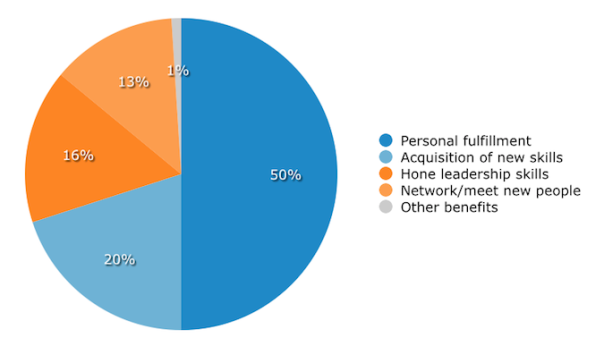
 I think Oprah wrapped all of this up best when she said:
 Structure your board development process in a manner that allows the following to occur:
 I cannot tell you how many boards I’ve worked with on board development and governance projects push back on the idea of year-end board member evaluations.


 It has been called a crisis, scandal, controversy, and problem by journalists. If you are remotely plugged into the world around you, then you’ve probably heard or read something about
  None of this was malicious. It was always done out of a frantic sense of convenience and lack of time (or so I told myself).
 Most non-profit organizations are stretched too thin. I know, I know. But this is something you need to make time for because it is important.
 Create separation and segment your life
 It hasn’t been talked about much, but the Hillary Clinton email story is a “
 If you’ve heard it once, you’ve heard it a hundred times – “Time is money!”
 Not all donors have time to volunteer on the frontline, working with your clients every Tuesday and Thursday. The reality is that donors are like snowflakes and each one is a little different.
 I’ve had a recurring thought for the last two weeks because I keep running across beautiful donor recognition walls at non-profit organizations. Just yesterday I came across a donor recognition board in the lobby of the Knight Nonprofit Center on the Gulf Coast in Mississippi, and it was titled the “Mural of Generosity“. I just love the sound of that. Don’t you?