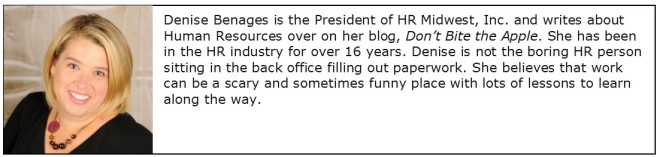
Good morning, DonorDreams readers! In 2015, I relied a little more heavily on friends of mine in the blogosphere to provide guest blog posts to help me through periods of intense travel to visit with non-profit clients. While I’ve managed to slow things down recently, I still plan on featuring some of those same guest bloggers in 2016 because of the positive feedback I received from DonorDreams readers.
Today’s guest post is from Adam Weinger over at Double the Donation blog. He provides a handful of awesome ideas for how to recognize donors who make matching gifts to your organization.
Gift acknowledgement is important to donors according to Penelope Burk’s research (source: Donor Centered Fundraising). She said on page 46, “. . . 44% of study donors said that prompt gift acknowledgement influences their decision regarding future support. And , when considered as part of an overall communication strategy that includes personal contact and meaningful information on gifts at work, prompt acknowledgement would influence 93% of respondents to give again, 64% of them to give more, and 74% of them to give indefinitely.”
I hope you enjoy this morning’s post because I think Adam hits the nail on the head with regard to matching gift donors. Here’s to your health! ~Erik
Don’t Just Ask for Matching Gifts; Say Thanks
By Adam Weinger
Double the Donation
 Someone once said that, “If a fellow isn’t thankful for what he’s got, he isn’t likely to be thankful for what he’s going to get.” While this quote is great advice for all of us in our own personal lives, it is also good practice for nonprofit organizations.
Gratitude is crucial for nonprofit success. If someone contributed to your organization and never received a follow-up acknowledgement, they’d be very unlikely to give again. But a simple thank-you note or a phone call can make all the difference and keep donors giving for months and years to come. Even small nonprofits can show their gratitude in any number of ways!
But what should you do when matching gifts are thrown into the equation?
The short answer is that you should be thankful for a donor’s contribution as well as their employer’s matching gift. But you might have questions about how saying thank you for matching gifts works in practice.
You’ve come to the right place! We’re going to take a look at a few ways your organization can show your appreciation for matching gifts.
Let’s talk about saying thank you for matching gifts!
For more information about saying thank you in a donor-centered manner, check out this article.
1. Give matching gift shout-outs at your next fundraising event.
 If you want to: A) Get the word out about matching gifts and, B) Thank your donors for submitting matching gift requests, talk them up at your next fundraising event.
Whether you’re hosting an auction for your school or a potluck for your religious organization, fundraising events of all shapes and sizes are the perfect locations for saying thanks for matching gifts and encouraging others to look into having their donations doubled by their employers.
During the event, have a speaker thank those donors who have had their donations matched and provide a brief explanation of how matching gifts work to those who might not know.
A captive audience can easily be encouraged to look into matching gifts if you say thank you for the ones you have already received. Try acknowledging and appreciating your matching gift donors to encourage others to double their donations!
2. Personalize your acknowledgements
 After asking for donations, receiving those contributions, marketing matching gifts, and receiving those matching gifts, you’ll need to personally thank your donors.
Donor acknowledgement should already be a part of your stewardship strategy, but when matching gifts are involved, you have to say thank you twice. Two donations means two acknowledgements.
And just like your thank you letters to donors should be personalized, your matching gift acknowledgements shouldn’t be cookie-cutter templates.
Instead, use the donor’s preferred name in the greeting, mention their past contribution, and thank them for taking the time to submit a matching gift request. Make sure you reference their employer and the amount of the donation.
Because the process of submitting and verifying a matching gift can take weeks and sometimes even months, a donor may have even forgotten that they submitted a request. Your thank you letter will remind them and perhaps encourage them to donate again in the near future!
3. Offer incentives for major matching gifts.
 Many companies will set a cap for the amount that they will match. Even though this limit is in place, it doesn’t mean that your nonprofit can’t potentially receive two major gifts.
If this occurs, your nonprofit should show sincere and genuine appreciation for the two contributions made possible by your donor and their employer.
Host a dinner or luncheon in your major gift donors’ honor or dedicate a building, wing, or room to them. You can feature your major gift donors and their employers in your newsletter, on your website, and on your various social media accounts. If they donated toward a large, tangible project, have them at the grand opening or ground breaking.
There are numerous ways you can show your major gift donors you appreciate them and their employers matching donations.
You can also potentially form a partnership with their employer by extending your thanks to them as well. When a major gift is matched, it means more donations for your nonprofit, but it also means an outpouring of appreciation and gratitude.
4. Say thank you to donors’ employers.
 It’s easy to get swept up in saying thanks to your donors for their contributions (and rightly so!), but let’s not forget where those matching funds are coming from!
Your donors’ employers shouldn’t be left in the lurch when it comes to your matching gift acknowledgements.
Those sincere acknowledgements can help pave the way to exciting and rewarding partnerships with those corporations. You might even be able to benefit from other corporate giving programs that your partner companies institute.
5. Say thanks in different ways.
 Not all of your donors are going to check their emails on a daily or hourly basis. Others might detest direct mail.
Make sure that you’re saying thank you according to your supporters’ communication preferences.
If a donor mailed a check in and then had their donation matched, it might be fair to assume that they prefer direct mail. If a donor always makes donations online and uses text-to-give to donate to your fundraising campaigns, they might prefer electronic communication over tangible acknowledgements.
Find out what works best for your supporters and plan accordingly. You wouldn’t want to discourage a donor from giving again just because you didn’t send the correct form of acknowledgement.
* * * * *
Saying thank you for your donors’ contributions isn’t just a good exercise in gratitude. It is also a great way to keep donors giving over time. Acknowledging matching gifts is just another part of the stewardship puzzle. If you take the previous five steps into consideration and make them a part of your acknowledgement strategy, your donors (and the companies they work for) will know that you see them as more than just ATMs. You’ll form stronger relationships that will be mutually beneficial in the months and years to come.
 My plane landed at O’Hare yesterday afternoon, which symbolized the end of a very long year for me. I am now ready to work from my home office for the last few weeks of 2015 and take a little time off to celebrate the holidays with family and friends.
 With your volunteers sitting around the planning table and your organization’s resource development assessment data gathered and digested, it is now time to cast your vision for the upcoming year. This can be accomplished with the following exercise:
 There has to be hundreds of ways to skin this cat, and none of them are incorrect. The following method is very simple, and while it lacks a ton of process, it will get you where you need to go (but feel free to use whatever process best fits your organizational culture):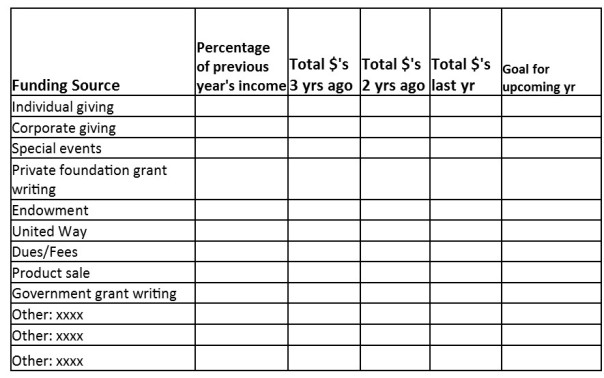
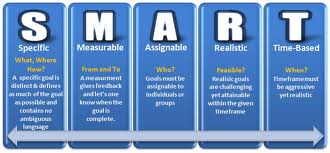 The previous section sets the stage for establishing fundraising event and campaign goals; however, there are non-financial goals your team should also consider. Those non-financial goals could focus on: strategy, leadership, operation, donor relations, marketing and communication, and evaluation and monitoring.
 Last night I met with a non-profit board of directors, and we spent an hour talking about the “Three Stories You Need To Tell“. I centered the discussion around the
  How many times have you been handed pages full of data at the start of any type of planning process (e.g. strategic planning, resource development planning, etc). You are typically asked to look for gaps in addition to organization strengths, weaknesses, opportunities and threats.
 After the assessment phase of any planning process is over, it is common for boards to spend time developing a vision for the future. It is upon this vision that goals, strategies, tactics and metrics are all built.


 I’ve had a recurring thought for the last two weeks because I keep running across beautiful donor recognition walls at non-profit organizations. Just yesterday I came across a donor recognition board in the lobby of the Knight Nonprofit Center on the Gulf Coast in Mississippi, and it was titled the “Mural of Generosity“. I just love the sound of that. Don’t you?
 I woke up this morning with the words of Samuel Jackson echoing through my head. While this actor has played a number of different roles in Hollywood, the words in my head were from his Capital One credit card commercials . . . “What’s in your wallet?” As I shuffled around my hotel room trying to wake up, I started reviewing all of the possible reasons why I woke up with this popular commercial on my mind. After a little thinking, I’ve decided that my subconscious mind is still wrestling with an email I received yesterday morning from a non-profit organization asking me not to delete any reference to them in a blog I posted last week.
 I think there are a number of “lessons learned” associated with this situation. Here are the one’s I can identify:
 Welcome to May! While this month represents lots of things to lots of people (e.g. rain, flowers, planting gardens, non-profit conferences, etc), May is an anniversary month for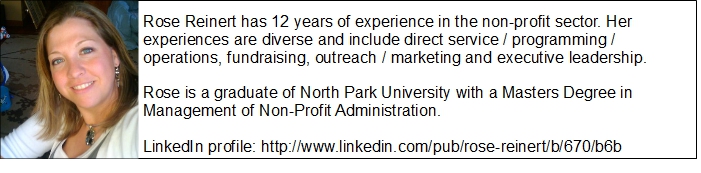
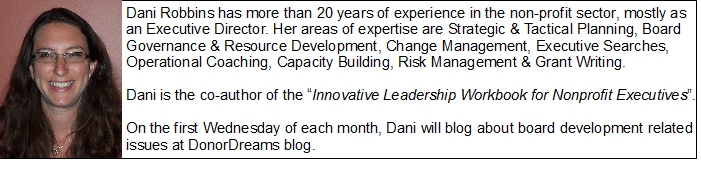 On Fridays, an old friend is back and he is talking about “organizational development“. I’ve used John’s posts at johnponders blog as a springboard every Friday for more than a year and applied my non-profit stories to his organizational development principles. A few weeks ago, John announced that he was going on hiatus; however, he has agreed to allow me to re-publish my favorite articles from his blog. However, this recycled material won’t feel used to most DonorDreams readers because according to the WordPress analytics for my blog many of you didn’t click-through to johnponders. I am excited about this opportunity to expose you in a direct way to John and his blog. Here is the bio box that I will use at the bottom of each of John’s Friday posts: