
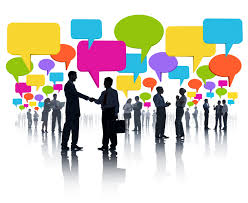
 A few days ago, I was Skyping with Henry Freeman, the owner of H.Freeman Associates LLC. It was a getting-to-know-you session because a mutual friend had suggested that we needed to meet and explore possible ways for our two consulting practices to work more closely together from time-to-time. During our conversation, Henry asked me a question that I haven’t been able to get out of my head. That question was:
How do you network?
As one does in a fluid conversation, I had to think on my feet and these were the examples that came out of my mouth:
- Coffee meetings
- Breakfast, lunch and dinner meetings
- After-work cocktails
- Virtual networking (e.g. Facebook, Twitter, Pinterst, Google+, LinkedIn, and the DonorDreams blog)
- Group membership (e.g. Fox West Philanthropy Network)
- Conferences
I’m not sure if I’m any good at networking, but I do it primarily because I like people. I love meeting new people. If you are a regular reader of this blog, then you know that I regularly say things like “We don’t have to re-create the wheel” and “We can all learn from each other.” Both of these expressions are most likely drivers behind what gets me out of my home office and meeting with all sorts of people.
During a little windshield time yesterday, Henry’s question was still rattling around my brain when it dawned on me that “networking” is obviously a critical skill for most non-profit CEOs and fundraising professionals. If you’re good at networking, then you are probably a natural when it comes to:
- cultivating new prospective donors
- stewarding existing donors
- developing collaborations with other organizations, groups and corporations
- soliciting donors and selling sponsorships
- recruiting volunteers
- identifying and recruiting new prospective board members
- engaging existing board members
The more I think about it, networking skills sound more and more “foundational” as it generally related to SUCCESS.
As this idea continued rolling around in my thoughts, I couldn’t help but wonder what skills and traits are associated with people who are good networkers. Here is an incomplete list of things I managed to come up with:
- Sincere and genuine
- Conversational
- Interested
- Engaging
- Good listener
- Empathetic
- Living in the moment
- Intuitive
I’m not sure how accurate this list is, but they were all things that crossed my mind.
The final thought that crossed my mind on this topic was “How can someone get better at networking?” Not surprisingly, this question drove me to my favorite resource in the world — Google. 😉
After clicking around a little bit, I came across a link to Huffington Post simply titled “Networking Tips.” When I clicked it, there were two pages of HuffPo articles on a variety of networking subjects like “10 Simple Rules” and “8 Ways to Amp Up Your Personality.” It looked like a treasure trove of great reading.
Wanna see those links? Simply click here and enjoy!
Do you think that you’re good at networking? Why? What do you do to network? Which of your many skills and traits lend favorably to your ability to network?
If you end up like me and get thinking about this question, please scroll down to the comment box and share your thoughts and experiences. We can all learn from each other.
Here’s to your health!
Erik Anderson
Founder & President, The Healthy Non-Profit LLC
www.thehealthynonprofit.com
erik@thehealthynonprofit.com
http://twitter.com/#!/eanderson847
http://www.facebook.com/eanderson847
http://www.linkedin.com/in/erikanderson847
 When I was a child, I loved watching cartoons. I was especially a fan of cartoons that featured superheros such as Spiderman, Superman, Batman, etc. I oftentimes found myself daydreaming about having a superpower and what kind of good things I could accomplish with such a power. Yesterday, I went to lunch with an old friend, which got me thinking again about the concept of superpowers and how that idea might apply to your non-profit organization.
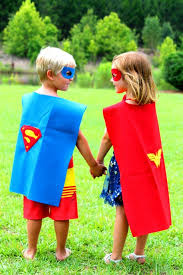 Of course, the real question is whether or not you’ve learned how to unlock and use your superpower? If you are interested in exploring this question, I suggest you ask yourself the following questions:
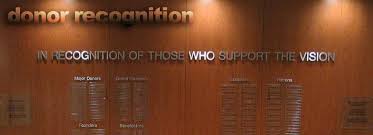 I believe that sometimes the universe speaks to you, and over the last two days I’ve been beat over the head with reminders that your non-profit organization’s donor recognition must be meaningful. While there is a time and place for computer generated gift acknowledgement letters and donor gifts, you need to know your donor and appreciate them in a way that speaks to their inner philanthropic soul.
 To sum up the results of yesterday’s discussion, the volunteers decided that donor recognition and gifts should be personal, mission-focused and meaningful.

 In my last two blog posts, I talked about a USA Today article from John Waggoner titled “
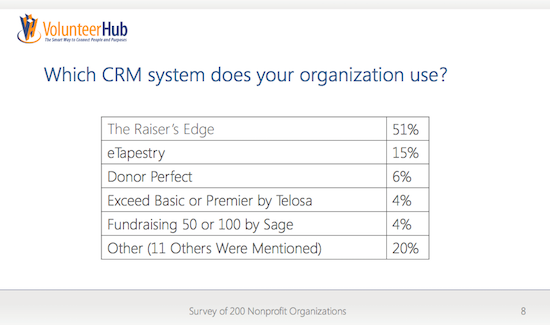
 A few days ago, I reviewed a PowerPoint training on a fundraising website that I run for a client. I stumbled across the following startling statistics pertaining to volunteer management:
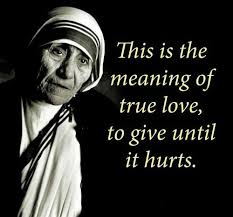 Then, he launched into a story about the importance of what he called “sacrificial giving” and “giving until you can feel a little pinch in your wallet.” The following are just a few of the reasons I recall from that conversation why it is important to give until it hurts:
 Your strategy doesn’t have to be complicated. In fact, the following is a simple upgrade strategy that one of my former employers put together:
 As a donor, I discovered long ago that if I want to make a large contribution to a non-profit organization it probably won’t happen by writing one large check. While some people on this planet have that capacity, my bank account balance isn’t fat enough to do something like Bill Gates or Warren Buffet. However, “large contribution” is a relative term, and I made my first meaningful, sacrificial gift at the age of 27 when I pledged $1,000 to a local Boy Scout council while earning $27,000 working for that same organization.
 The United Way figured this one out a long time ago, didn’t they?
 Since the Great Recession of 2008, many non-profit organizations have explored and developed monthly giving programs. This strategy has been very popular with European charities, and it is akin to the “set it and forget it” mentality of our society.
 On Saturday, I attended the funeral of my father’s aunt —
  He first started looking for people who had once been loyal supporters but for whatever reason stopped donating. Then he found mutual friends (e.g. board members, former board members, volunteers, donors, etc) and asked them to assist with a re-introduction. On a go-forward basis he simply engaged in relationship building.
 So, I guess I’m feeling a little bah-humbug about the entire idea of #RetentionWednesday. If I were king for a day (a scary thought), I would decree 2015 “The Year of Retention“.
 I was on the phone yesterday talking with
  Our United Way friends totally get an A+ on this one because they’ve been running around for a decade now telling us to LIVE UNITED which encompasses the following ideas:
 My first Boys & Girls Club national conference was in New York City in 2001 literally months before the terror attacks.
 Fast forward to one of my first engagements as an external consultant. I was assisting with an organizational assessment and conducting interviews with board members, volunteers, collaborative partners, donors, former donors and various other stakeholders.
 I often find myself standing in parking lots after meeting “kicking stones” with staff, board members, volunteers, etc.