
 Last night I had the privilege of being invited to a non-profit organization’s year-end holiday party stewardship event. In attendance were board members, capital campaign volunteers, auxiliary members, and various other stakeholders. There was no solicitation presentations, but there were a few powerful testimonials from alumni and lots of gratitude. The energy in the room was palpable, and I was reminded me of the old expression that “hope floats“. It was in this dynamic setting that I had an amazing conversation with someone about the power of leadership.
In the middle of the event, I got locked into a conversation with a former board member. He is an alumnus of the agency’s programs, and he did two different stints on the board of directors. So, the conversation naturally migrated to how much the organization has changed throughout the many decades he has been involved.
Right in the middle of the conversation about organizational change and capacity building, this gentleman paused, appeared to reflect genuinely about what he was going to say, and then said:
“It is all about leadership and who the board hires to lead the organization.”
While I like to think your organization’s formula for success is about a variety of ingredients, I can’t really argue with this wise alumni and former board member’s assessment. I’ve seen lots of organizations overcome large gaps in their formula for success just because they have the right leaders sitting around the boardroom table and sitting in the CEO’s seat.
This comment also got me thinking about a recent CEO job search process that I helped a client lead. There was lots of conversation around “what does the right person look like” and what skill sets and experiences does the right person need to possess.
 The following is a list of competencies and skill sets the search committee reviewed during its search criteria conversations:
Communication skills
- Informing
- Listening
- Presenting
- Writing
Decision making skills
- Analyzing
- Fact Finding
- Innovating
- Judgment
- Problem Solving
- Systemic Thinking
Developing Organizational Talent
- Coaching
- Delegating
- Performance Management
- Providing Feedback
- Staff Development
Leadership Skills
- Developing Commitment
- Empowering
- Encouraging Innovation
- Facilitation
- Influencing
- Leading By Example
- Managing Change
- Providing Recognition
- Team Building
Personal Initiation Skills
- Contributing to a Positive Work Environment
- Organizational Awareness
- Personal Development
- Proactivity
- Professional Development
- Striving for Excellence
Planning Skills
- Action Planning & Organizing
- Business Planning
- Monitoring
- Project Management
- Recruitment
- Strategic Planning
- Time Management
Quality Skills
- Implementing Quality Improvements
- Satisfying Customer Requirements
- Using Meaningful Measurements
Relationship Skills
- Conflict Management
- Meeting Skills
- Negotiating
- Networking
- Relationship Building
- Teamwork
Safety, Health & Environment Skills
- Fostering Organizational Wellness
- Supporting a Safe Environment
Hmmmm? Leadership is the great equalizer, but it certainly starts looking complicated once you begin searching for it. 🙂
What skill sets have you looked for when trying to hire or recruit the right leaders into your non-profit organization? Please use the comment box below to share your thoughts and experiences.
Here’s to your health!
Erik Anderson
Founder & President, The Healthy Non-Profit LLC
www.thehealthynonprofit.com
erik@thehealthynonprofit.com
http://twitter.com/#!/eanderson847
http://www.facebook.com/eanderson847
http://www.linkedin.com/in/erikanderson847
 Sorry about not posting something this morning, but I got to my hotel late last night (around midnight) and I was up five hours later for a 6:00 prospect identification/evaluation meeting. My request of Santa this year is more time added to the day and a few more weeks added on to the year. 🙂
 Successful #GivingTuesday solicitations probably utilize some of the same strategies that for-profits use to create the conditions for an impulse buy. Now it all makes sense. (I might not be quick, but I usually get there.) 🙂
 We are just a few days away from Thanksgiving, and I’m getting in touch with my gratitude muscles this week. If you’re anything like me then you’re probably a “lifelong learner” and love to read about bigger and better ways to engage donors and practice the art of resource development. One of the ways I feed my need to learn is reading other non-profit bloggers. Today’s post is dedicated to some of my absolute favs.
 Thanksgiving is a time when many non-profit organizations give thanks to their donors who support their mission with their time and money. Over the years, I’ve received Thanksgiving cards, thank-a-thon phone calls, and even a small little gift of gratitude from my favorite charities. However, the ALS #IceBucketChallenge has changed everything and set the bar higher for all resource development activities. So, I’ve spent days (if not weeks) thinking about how to use social media to steward donors during this time of the year. This morning I think I had my best idea yet. Let’s see what you think.
 AND THEN IT HAPPENS . . .
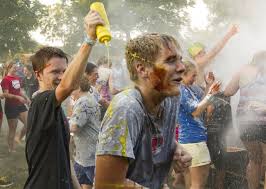 If there is one thing all of us should’ve learned from the ALS #IceBucketChallenge, it is that social media is a powerful tool in our resource development toolbox. While we’re all still learning how to use this tool, those who innovate and try new things will surely reap the rewards.
 A few weeks ago I facilitated a training session titled “2014 Finish Strong: Year-End Strategies” for a group of non-profit professionals in New Mexico. Long story short . . . there were LOTS of things that non-profits try to do in the fourth quarter. Participants shared with each other what they were doing back home at their agency and we collectively talked about best practices.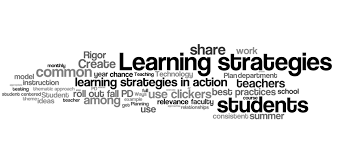
 Good morning everyone! I’m up early and running out the door to my local fundraising chapter’s National Philanthropy Day celebration in the Fox River Valley in Illinois. As I busily through things together and guzzle coffee, I’ve been wondering how you plan on spending your Philanthropy Day (which is officially on November 15, 2014).
 As you know, there is no such thing as a unicorn. It is a mythical creature and the inspiration for this morning’s post about various fundraising policies and procedures documents that everyone says are important but rarely exists on the front line of many (especially smaller) social services non-profit agencies. I thought it might be a good idea to name these “unicorns” and explain what they are and why they’re important.
 One of the many projects I’m currently working on involves cataloging a resource development toolbox for a client. The things I’m finding in that toolbox are amazing and include: samples,templates, whitepapers, training curricula, calculators, and even an online wizard to help with resource development planning. (Cool stuff!)