
On Tuesday of this week, I shared with you a story that a donor had shared with me while walking me down his driveway to my car, and it had to do with a skunk and an incredible moral to the story for all of you workaholic non-profit professionals out there. Today, I am excited to share another short donor story with you about relationship building.
Enjoy!
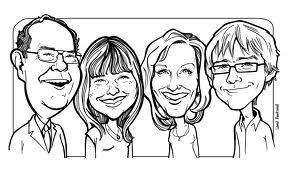 Earlier this week, I found myself walking into a title company to interview a donor for a client. As I walked into the office building, I noticed the following things:
- the employees looked busy
- there was a sense of purpose in the air
- there were lots of smiles and people seemed genuinely happy to be doing what they were doing
- the office was ringed with framed pictures of people drawn in caricature
At first I found the caricature pictures to be out-of-place. I’ve never been in a professional office environment with cartoon pictures everywhere. (By the way, I do mean EVERYWHERE.) However, I quickly realized that these pictures created an atmosphere that permeated the workplace.
When the donor greeted me in his waiting room, I asked: “What’s up with all the caricature pictures? Is it a local hall of fame?”
He explained that the pictures were of local real estate professionals who use the services of his title company to close their property deals. He said that he used to make bobble head dolls of his customers, but that practice got a little bit out of hand. So, they started doing caricature pictures instead.
 I walked away from the conversation thinking this was a unique, fun and quirky business practice. I also came to understand that this business practice was a genius idea on so many different levels:
- it was obviously a form of recognition
- it was a practice that allowed the company to express gratitude to their clients for choosing their company
- it created a fun office culture infecting employees with an attitude that couldn’t help but bring a smile to their faces
- it served as a constant reminder to everyone that these are the people they work for and the reason they are in business
Throughout the entire interview, I had the theme song from the 1980s television sitcom Cheers — “Where Everyone Knows Your Name” — running through my head. LOL
As the donor walked me to the lobby and the front door, I expressed again my love of his framed caricatures. He graciously accepted the compliment and then summed up his business practice with these few words:
“It’s all about relationships.”
Indeed!
Business is all about relationships and so is your non-profit organization’s fundraising program.
As I walked through the parking lot back to my car, I couldn’t peel the smile off my face. I just love it when a donor touches your heart and teaches — or reminds you of — something.
Driving away to my next donor interview, I made a promise to myself. If I ever find myself back to the front line of a non-profit organization as an executive director or fundraising professional, I am going to incorporate this framed caricature idea in some way, shape or form. Here are just a few of the ideas I came up with for framed caricature picture:
- distinguishing an employee of the month
- spotlighting successful clients
- recognizing board volunteers
- appreciating donors who join a monthly giving program or donor recognition society
- identifying great program volunteers
Has a donor ever inspired a new business practice at your agency? If so, what was it? Can you think of other creative ideas on how to incorporate caricature pictures into your workplace that we can add to the list above? Please scroll down and share your thoughts and experiences. We can all learn from each other. 🙂
Here’s to your health!
Erik Anderson
Founder & President, The Healthy Non-Profit LLC
www.thehealthynonprofit.com
erik@thehealthynonprofit.com
http://twitter.com/#!/eanderson847
http://www.facebook.com/eanderson847
http://www.linkedin.com/in/erikanderson847
 I’ve been doing a lot of “board roles and responsibilities” training sessions in the last year. The curriculum breaks out responsibilities into group obligations and individual duties; however, in both lists there is verbiage such as:
 I received a call from a old friend (we used to be real close 🙂 ) who served on the board of a very prominent organization. This is the story she told me. I share it with you to both illustrate how easy it is to disengage good board members and how important it is to institute and follow good process.
 Every time I hear a donor from a community’s “old guard” lament about no one taking their place and wishing organizations would start recruiting younger, up-and-coming professionals, I can’t help be smile. Why? Because in my experience, it is usually the same crowd who laments that a board of young professionals:
 Welcome to the May 2014
  Donor loyalty & fundraising
 Brand loyalty, marketing & social media
 At DonorDreams blog, I dedicated the entire month of May to this month’s Nonprofit Blog Carnival theme of loyalty.
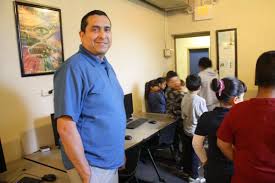 “It all ties together,” explains Jaime. “The big challenge is creating a culture that appreciates and strives to create loyalty.”
 Welcome to May! While this month represents lots of things to lots of people (e.g. rain, flowers, planting gardens, non-profit conferences, etc), May is an anniversary month for
 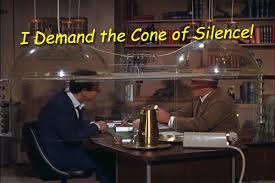 More than a decade ago, I attended a BoardSource conference/workshop at Sears’ corporate offices in Hoffman Estates, Illinois. During one of the sessions, the trainer shared her teachable point of view on how often boards should go into executive session, which she explained was at the end of every meeting. I’m dedicating today’s post as a counter-weight to that practice.
 After attending the BoardSource workshops at Sears as a young and naive executive director, I brought a ton of good ideas back home with me and shared them with the Board Development Committee. One of those ideas was for the board to go into executive session as a regular practice at the end of every meeting.
 In a recent conversation with a friend about their non-profit board, it came to light that board members used email to take an important vote because scheduling a special board meeting was too difficult with everyone’s busy schedules.
 The following are just a few suggestions you may want to consider:
 On Tuesday of this week, my blog post titled “
 Now this didn’t happen because I smelled bad or people disliked me (at least I don’t think so). It happened because of how I approached my individual meetings with board members. Here is what was on my agenda: