
Dani Robbins is the Founder & Principal Strategist at Non Profit Evolution located in Columbus, Ohio. I’ve invited my good friend and fellow non-profit consultant to the first Wednesday of each month (or Thursday as is the case this month) about board development related topics. Dani also recently co-authored a book titled “Innovative Leadership Workbook for Nonprofit Executives” that you can find on Amazon.com.
Board Meetings Gone Wrong
By Dani Robbins
 Boards meetings can quickly go from productive to destructive in any number of ways. The following are just a few lessons I’ve learned throughout the years and thought board volunteers might benefit from reading:
The morning after is too late
I cannot tell you the number of times in my career that a Board member has called me the morning after a board meeting appalled by something the Board voted to approve the night before, at a meeting they themselves attended. I can absolutely tell you the number of times those very same Board members have voiced their objections in the room: zero!
The next morning is too late. If you do not like the motion that is on the table, it is not only your right to object out loud and on the record, it’s your obligation.
Sometimes individual Board members come up with wacky (read: dangerous) ideas. When those ideas become motions that get seconded is when they go from wacky to possible. Motions that have no second die, and so do the ideas that spawned them.
Motions that are seconded prompt the chair to call for a discussion. If you are uncomfortable with the motion that is on the table, I implore you to speak. Silence is acquiesce. It is usually too late (and much harder) to address something after a vote has been concluded.
 When you don’t know where you’re going any road will get you there
No written agenda — or an agenda that isn’t followed — practically guarantees a long, meandering meeting that will only serve to frustrate those in the room, but won’t accomplish much beyond that. It’s also likely that such a meeting will not produce formal votes or minutes that capture what the Board has committed to accomplishing.
No strategic plan works the same way. In the absence of a plan, you will have a lot of people working on a lot of things that may or may not align because the Board has not articulated and voted upon a formal direction.
If everyone’s in charge, no one’s in charge
Boards elect Chairs to be in charge (of the Board). It’s awkward and feels weird the first time you chair a meeting, but the weirdness will pass when you begin to lead. However, not leading guarantees the weirdness moves in and sets up shop.
It’s the forth Tuesday at 4; let’s meet!
Don’t have a Board meeting if you have nothing to talk about. If there are no committee reports and no business for the Board to address, cancel the meeting.
At the end of the day, there’s no accounting for crazy
The easiest way to avoid crazy in the board room is to not let crazy on the board. A Board Development plan and a formal process to elect board members will weed out inappropriate board prospects, before they become inappropriate board members.
 Time of Death: 2 hours after we started talking about this
Discussion that seems to be spiraling can be stopped by two of my favorite phrases:
- “Let’s call the question” which in Board speak means enough talking, let’s vote.
- “Let’s send this back to committee.” This phrase, when used by the chair, is a declarative statement that the board meeting has devolved into a committee meeting. When used by anyone other than the chair, it is a prompt to the chair that the discussion has gone on too long. In either case, there should be a vote, reflected in minutes, that the motion was be tabled pending the committee’s review and consideration of the issues raised.
What’s the Executive Director’s role?
Good Execs do their homework before the meeting and usually know how people are going to vote before the meeting begins……which doesn’t ensure they will do so.
If a meeting goes off track, Execs can:
- stall by whispering the potential negative impact to the Chair and hoping they agree;
- offer to get more information and bring it back to the board at a future meeting; or
- recommend the motion be sent back to committee prior to being voted upon.
If you have to, board volunteers can object out loud and on the record but be aware that doing so will spend significant political capital. It also may not help, which does not mean you should not do it.
As mentioned in a post titled “Hiring, Supporting and Evaluating the Executive,”
“worrying about keeping your job precludes you from doing your job. You have to do what you believe is best, based on your experience, information and training, within the boundaries of your role and the law. We all know that any day could be the day you quit or get fired. That can’t stop you from leading.”
What’s been your experience? Have you seen Board meetings go off track? What has gotten them back on track? As always, I welcome your insight and experience.
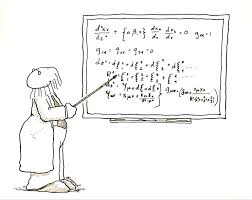 It seems like I’ve been on the road a lot this month, and this allows me to interact with all sorts of talented and amazing non-profit professionals. In fact, just last night I was at dinner with another non-profit consultant who shared with me his “formula” for a successful board volunteer.
 The human element
 I was reviewing some old non-profit board governance material this morning and came across a document talking about “trends in non-profit governance“. In other words, the person who wrote that paper thought s/he was able to predict the future. Of course, this document was written more than 10 years ago, which got me thinking it might be fun to review some of their trends and determine where they were right or wrong.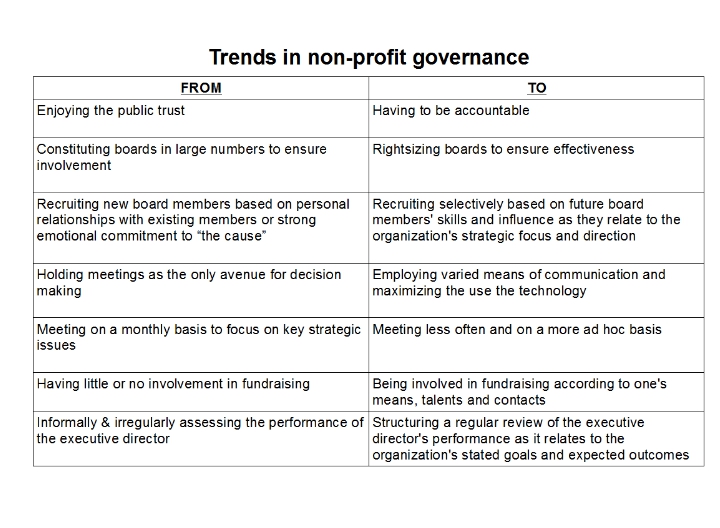
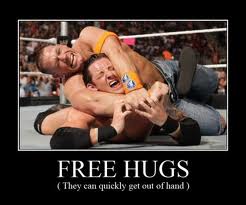 Over the years, I’ve met non-profit board volunteers who didn’t see value or the need for staff. Likewise, I’ve met countless numbers of staff who complain about their board members. I’ve also met executive directors who deliberately do things to disengage their board volunteers (e.g. taking on fundraising responsibilities, reducing the number of board meetings, etc).
 Welcome to part four of our five part series on Governance. We have already discussed the Board’s role in
 Welcome to O.D. Fridays at DonorDreams blog. Every Friday for the foreseeable future we will be looking at posts from John Greco’s blog called “
 I find this distinction really fascinating, and I haven’t been able to stop thinking about it since I read this post. So, I’ve been focused on identifying some non-profit related “predicaments” and here is what I’ve come up with . . .
 Board member engagement is a common thread running through many of my blog posts. This isn’t because I’m a broken record. The fact of the matter is that so many of the things that plague non-profits are simply “symptoms” of a bigger problem. Yep, you guessed it . . . the root cause of many of our challenges in the can be traced back to our boards.
 Last week a dear non-profit friend of mine from California couldn’t sleep. She tossed and she turned. Ultimately, she got out of bed, turned on her computer and started talking into a microphone. When I woke up in the morning in my bed in Elgin, Illinois, there was an email sitting in my inbox with a voice file attachment. Her words have tumbled around in my head for a week, and I’ve decided to enlist your support in dissecting them.
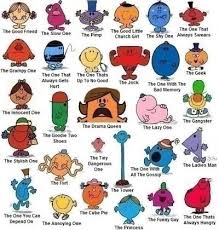 After listening to my friend’s recording, I started Googling around and searching for anything that anyone might have written about characteristics and traits of effective boards. I was especially intrigued by her question about incorporating personality testing into the board development process. After all, many workplaces are incorporating this type of assessment into their employee hiring process.
 Competencies
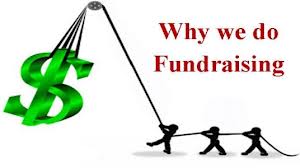
 Recently, I’ve been doing a lot of what I consider “Nonprofit 101” trainings focused on board roles and responsibilities. After talking with board members about their fiduciary responsibilities, they often push back on their role in fundraising. I’m becoming really good at giving them the “sympathetic smile,” which communicates that I’m hearing their fear but not giving them permission to wash their hands of their role in resource development.
 After all, how scary can it be to “tell stories,” right?