
 Two days ago, I published a post titled “What will Trump’s impact be on the non-profit sector?” and I followed it up yesterday with “How is Trump ushering in renaissance for non-profit sector?” Today, I’ll end this series by talking about your non-profit and sharing a few readiness tips for your consideration.
President Trump is famous for talking about “winner” and “losers.” He is also a self-described conservative who campaigned on shrinking the size of the federal government. In the administration’s first budget to Congress, there are a number of programs he proposed reducing or eliminating that has a direct impact on non-profit organizations. In just the last few days, I’ve heard my clients chattering about the following few proposed cuts:
- 21st Community Learning Centers
- Meals on Wheels
- Community Development Block Grants
As our society enters a new era where government starts tightening its belt, those non-profit organizations that are heavily government funded and have little experience with private sector philanthropy will likely be “losers” in my estimation.
Similarly, if your organization has strong relationships with individual donors, then I believe you are well positioned to be a “winner.” I believe this is especially true because of the reasons I provided in yesterday’s blog post.
However, you may want to start changing the way you speak to your donors in this new era. As Tom Ahern is famous for saying, properly utilizing the right emotional triggers will be your key to success. You won’t simply be able to get a away with shouting the word “Trump” and sitting back to watch the money roll in.
The following few sections are just a few thoughts I’ve had on how you can start tapping into a new generation of engaged donors.
Increase your non-solicitation communications to donors
 Donors want to know how those you serve are being impacted by the changing world around us. So, help them see it.
Doing an informal audit of your last few newsletters is a great place to start. Pull those communications tools out of that dusty archive file and ask yourself:
- How much of your content is about your organization (e.g. upcoming fundraisers, your organization’s needs, etc)?
- How many times are you using the word “WE” and “US” versus “YOU”?
- Do your stories focus on how your donors are heros? Or do they talk about your successes?
- Is your content focused on seeing the world through your clients eyes or your eyes?
If you are talking more about your organization, then you want to change that practice and figure out how to make your donors the hero and reasons for those successes.
More importantly, check to see how many of your donor communication pieces are solicitation oriented compared to cultivation and stewardship oriented. You will want to change that ratio to lean more towards sending more cultivation and stewardship pieces (with small hints here and there about where the donor can contribute).
Talk about client needs and not about Trump
It is easy to point at Trump and blame everything on him. It is “shorthand” and he is an emotional conduit for some donors’ emotions. However, it is too easy for people to shrug their shoulders and say, “He’s the President. I’m just a little donor. I’ll try to make a difference in a few years when I go to the ballot box.”
It is a far better strategy to highlight the issues donors care passionately about and pull on those emotional heartstrings. Sure, feel free to point at policy changes being proposed that you feel will worsen the situation, but don’t rely on it as your case for support.
Explain how one donor’s contribution can and will make a difference in the lives of those you serve.
Pay more attention to small and mid-size donors
Over the last decade we’ve seen politicians prove this point. How much money did Obama, Sanders and even Trump fundraise in smaller donations of $25, $50 and $100 gifts? They talked about it constantly, and it is time non-profits start following suit.
After all, today’s small annual campaign donor is tomorrow’s lead gift in your capital or endowment campaign.
This means evolving your resource development plan. Don’t add more special events, which are labor intensive and costly. Look at peer-to-peer solicitation opportunities such as annual campaigns, monthly giving programs, a-thon style events, targeted mail and online peer-to-peer giving opportunities. These things don’t happen organically. They require thought and strategy. So, take the time to think it through on paper with your board members and fundraising volunteers.
Add more personal contact with donors
It is easy to send a piece of mail or an email to large groups of donors and potential supporters. However, there is a lot of that going on from many different organizations. Information overload is a real thing. So, tweak your approach to increase the effectiveness of your message.
Don’t stop sending mail and email. But think about adding some in-person opportunities. Here are just a few thoughts:
- Host a series of town hall meetings focused on the issues your clients face
- Host special (e.g. exclusive) donor receptions to meet those you serve and let them tell the story
- Invite donors to periodic coffee meetings with your organization’s executive director to talk about the issues
Encourage donor advocacy
Remind your donors they can and will make a difference by contacting your local, state and federal legislators about issues impacting your clients. Send out periodic notes talking about proposed policy changes that directly effect your clients. Encourage them to attend meetings, pick-up the phone or write a letter. And make it easy for them to do so. (off-handedly mentioning that a contribution will also help might not be a bad idea, too)
A note to those non-profits who are heavily government funded
OK, your organization might not be experienced in doing these things. You might be one of those organizations I indicated earlier in this post that are heading for that “loser” label.
Don’t fret! It isn’t too late to change your approach.
Here are a few suggestions you might want to look at:
- Gather your board members together and develop a short list of individuals who you think are like-minded and supporters of your issues
- Pick one or two of the things I mentioned above and start executing those strategies. Start small and make adjustments as you go
- With your volunteers, develop a small resource development plan that adds two or three small individual giving strategies. Start small and be realistic. It might be as simple as sending targeted mail to 50 individuals a few times a year and hosting a simple fundraising event. Dedicate yourself to growing it steadily over the years.
If you need help convincing board members, I suggest giving them a copy of the book Who Moved My Cheese, encouraging them to read it, and facilitate a boardroom discussion about what it means for your organization. There is wisdom in your boardroom. Trust me. All you need to do is tap into it.
Here’s to your healthy!
Erik Anderson
Founder & President, The Healthy Non-Profit LLC
www.thehealthynonprofit.com
erik@thehealthynonprofit.com
http://twitter.com/#!/eanderson847
http://www.facebook.com/eanderson847
http://www.linkedin.com/in/erikanderson847

 Learn more about Mazarine Treyz
 A few years ago I noticed some of the letters being sent to me by non-profit organizations were getting less wordy. In fact, these next generation donor communications pieces were mostly featuring a big photograph of someone/something that was supposedly mission-focused.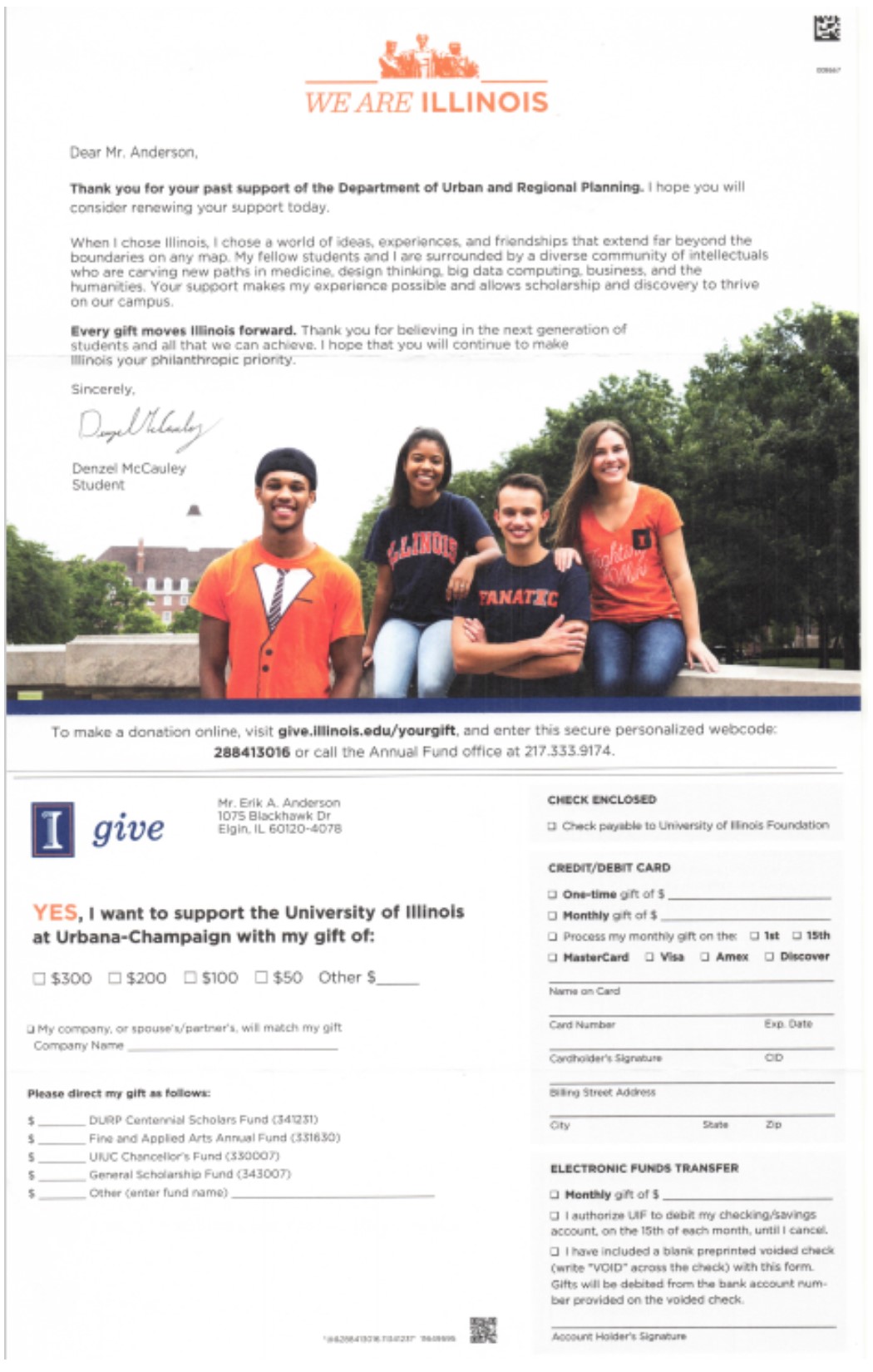
 Just the other day, I found myself in a boardroom facilitating a training on how to make a textbook-perfect, face-to-face solicitation. Discussion topics focused on all the usual suspects including fears, begging, best practices for getting on someone’s calendar, the 12-step process for making the actual ask, etc etc etc. However, at the end of the training and facilitated discussion, one board volunteer asked the following question:
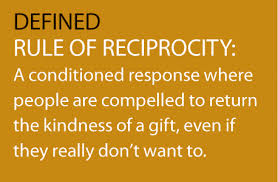 Over the years, I’ve heard volunteers say all of the following things when trying to fundraise:
 If your board is resistant to the idea of fundraising, I encourage you to first take a good hard look in the mirror and ask yourself the following questions:
 Let’s face it. Our government is broke. We The People have accumulated almost $20 trillion in debt. As government leaders wrestle with this issue, the non-profit sector continues to rally from time-to-time insisting every other sacred cow in the tax code should be scrutinized except for our own. Putting aside the fairness and hypocrisy questions, I’m left wondering: 1) why do we cling to this entitlement so strongly, 2) what is the real effect of this tax policy on our sector and 3) what would really happen if lost this tax status?
 I don’t want to muddle this point. So, let me be clear. I’ve spoke with many donors (both large and small) who mention the word “tax deduction.” It is usually in reference to needing documentation for their accountant. Only one donor actually pushed the pencil and said he needed to make a donation of a certain size to
  I am not a fortune teller. I cannot predict the impact of such a policy change. However, I can confidently say a few obvious things:
 As a young non-profit professional, who was just learning his craft, I was first introduced to the idea of a “house party” event format as a fundraising technique. The idea was simple. Ask someone to host a small party in their home. Work with them to identify a guest list of potential donors from their list of friends and colleagues. Make a group ask during the get together and collect pledge cards. My former employer used to call these “leadership circle” events.
 Last week’s experience helped me see house parties in a whole new light. No longer was this strategy simply a tool in a non-profit person’s resource development toolbox. The more I thought about it, the opportunities seemed to be endless. Here are just a few of my thoughts:
 Oh, well let me count the reasons . . .
 I have no idea why this is so scary for so many non-profit staff and board volunteers. It doesn’t have to be a confrontation. Here are a few talking points:
 If the reasons given by your board volunteer aren’t things beyond anyone’s control (e.g. family member illness, work-related challenges, etc) and they simply don’t feel comfortable with solicitation, then ask them to get heavily involved in cultivation (e.g. engaging new prospective supporters) and stewardship (e.g. showing existing donors gratitude and return on investment) activities. (Note: don’t simply let them focus on other non-fundraising activities like programming or marketing)
 Sometimes we can’t fix the problem. Board members are people, too. Their parents get sick. Their marriages falter. They end up with a new boss who demands more from them.
 Have you ever stopped whatever you doing, took a deep breath, and observed the world around you? (And I mean really take a deep look.) I did this just the other day, and what I saw kind of surprised me. Everywhere I looked I saw