
 Many years ago I traveled the Midwest region as an internal consultant working for a large national non-profit organization. For part of my time there, I worked with countless local affiliated organizations on planning and implementing an annual campaign focused on face-to-face solicitation strategy. Some agencies took to it like a duck to water, and others just struggled. Every once in a while (typically when I’m contemplating the origins of the universe), I think back to those days and wonder what the difference was between those two realities.
Whenever I get into one of those “WHY?” moods, I’ve concluded that differences in the following factors must be what made the difference:
- resource development skill sets
- state of donor donor readiness
- board of directors
- community factors
While I am sure all of these things play a role, I think it might be even more simple.
This morning I was enjoying my coffee and reading a book when I came across the following passages from the book “The Magic of Thinking Big” written by David Schwartz:
“Desire, when harnessed is power.”
“Success required heart and soul effort and you can only put your heart and soul into something you really desire.”
“When you surrender yourself to your desires, when you let yourself become obsessed with a goal, you receive the physical power, energy, and enthusiasm needed to accomplish your goal. But you receive something else, something equally valuable. You receive the ‘automatic instrumentation’ needed to keep you going straight to your objective.”
While I’ve always believed in the power of goal setting, I guess I’ve never seen it in this light or from this perspective.
So, the answer to my original question very likely is simple . . . those who succeeded just desired it more and those that didn’t do well didn’t.
I guess this is why successful fundraising professionals are focused on measurable goals such as:
- campaign and event contribution goals
- sponsorship goals
- grant writing goals
- donor retention goals
- new donor acquisition goals
These goals are encapsulated in strategic plans, fundraising plans, stewardship plans, major gift prospect cultivation plans, annual performance plans, etc.
What type of fundraising-related goals does your organization have? Where are those goals written down? How do those goals get translated into your individual goals and where are those written? Were those goals developed collaboratively and do they align with what you’re passionate about? If not, how do you bridge that gap in order to avoid failure?
Please scroll down and share your thoughts and experiences in the comment box below.
Here’s to your health!
Erik Anderson
Founder & President, The Healthy Non-Profit LLC
www.thehealthynonprofit.com
erik@thehealthynonprofit.com
http://twitter.com/#!/eanderson847
http://www.facebook.com/eanderson847
http://www.linkedin.com/in/erikanderson847
 As I walk down the driveway of an 80-something-year-old donor, he starts sharing a story with me about a skunk that appeared in his very nice and upscale neighborhood.
 Every time I hear a donor from a community’s “old guard” lament about no one taking their place and wishing organizations would start recruiting younger, up-and-coming professionals, I can’t help be smile. Why? Because in my experience, it is usually the same crowd who laments that a board of young professionals:
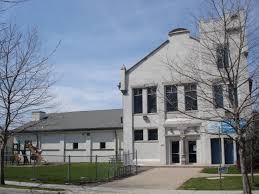 My first days (and those leading up to) as the Director of Operations for the
  Team vs. Group
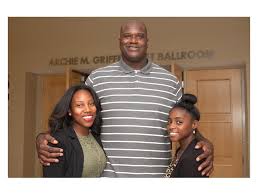 The first step I stress to all of my managers in building a loyal team is the importance of the interview process.
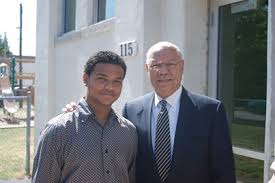 Once hired, make sure the new employee participates in an immediate on-boarding process and orientation to the organization.
 After the honeymoon phase and the initial adrenaline of starting something new, the “real work” is just beginning for the person managing a new employee. The staff manager has the unenviable job of figuring out how to retain talent and simultaneously build a team.
 While Boys & Girls Clubs of Columbus allows each of our five programs to have its own identity, we strive for something that we call a “One Club Feel.” This, to me, is the most important part of my job and truest test of my success (or failure) as a leader.
 The regional VP and I would fly into the district office. We would first meet with the district Director, and then over the course of the next two days the VP, the Director, and I would meet with each station manager in a series of rather intense “three-on-one” station review meetings.
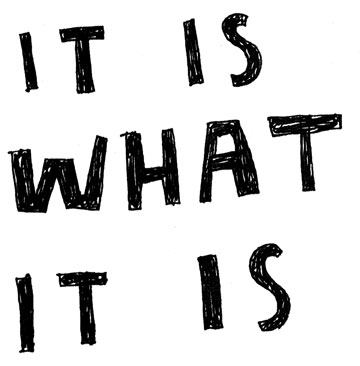 If the meeting were today, I’m quite sure he would have explained his situation with a matter of fact “it is what it is” but that phrase wasn’t in popular use back then…
 “Scott, can you speak more to why you think the drivers don’t respect you?”
 More than a decade ago, I attended a BoardSource conference/workshop at Sears’ corporate offices in Hoffman Estates, Illinois. During one of the sessions, the trainer shared her teachable point of view on how often boards should go into executive session, which she explained was at the end of every meeting. I’m dedicating today’s post as a counter-weight to that practice.
 After attending the BoardSource workshops at Sears as a young and naive executive director, I brought a ton of good ideas back home with me and shared them with the Board Development Committee. One of those ideas was for the board to go into executive session as a regular practice at the end of every meeting.
 “You don’t manage people; you manage things. You lead people.”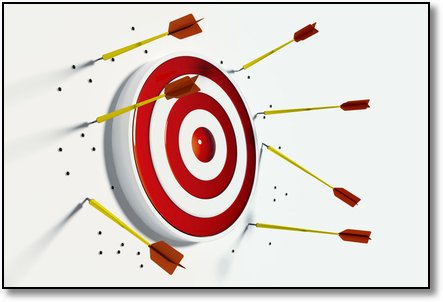

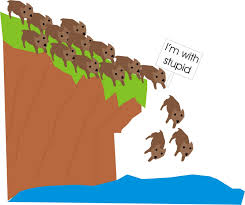 There have been multiple things that have happened in the past week that have made me re-consider the phrase “Don’t drink the Kool-Aid.”
 “Silent Starts — Set aside 2 minutes for each trustee to anonymously write on an index card the most important question relevant to the issue at hand.”
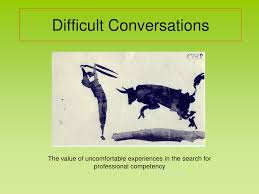 From time-to-time, we all need to have a difficult conversation with someone. It could be an employee, board volunteer, donor, collaborative partner, or even a spouse or loved-one. I was in such a position a few days ago, and needless to say it didn’t go very well. In the subsequent days, I spent a lot of time licking my wounds and thinking about what I could’ve done differently. So, I’ve decided to share some of my thoughts with the readers at DonorDreams blog and hope you’ll also share your thoughts and experiences.
 I’ve done some research into how I can do better in the future with engaging others in these type of conversations. Here are just a few of the best practices that resonate with me: