
 As I explained in last week’s post titled “Should you administer the ‘Marshmallow Test’ to new non-profit board prospects?,” I’ve been traveling a lot lately, which means I’m looking for good books to read at the airport and on the airplane. The newest eBook on my iPad is “The Marshmallow Test: Mastering Self-Control“written by researcher Walter Mischel. This book is all about individual human behavior, but I find myself thinking a lot about non-profit organizations while turning the pages.
For example . . . let’s look at Chapter 6 — “Idle Grasshopper and Busy Ants”
I’m sure most of you know Aesop’s fable about the grasshopper and the ant, which is all about the virtue of hard work and planning ahead. Mischel uses this classic story to frame his Marshmallow Test work around immediate rewards versus future rewards and what it tells us about people and their future.
While reading this chapter I couldn’t help but think about non-profit boards and the decisions they make pertaining to saving for a rainy day and building a “rainy day fund“. I’m sure this idea is top of mind for me because a number of my current clients use “number of days cash on hand” as a key performance indicator (KPI) to measure their agency’s financial stability. In fact, right before cracking this chapter of the book, I was visiting with a client who has less than a month of operating cash in the bank, and they are working through ways to grow that number.
Whenever working on issues like “number of days cash on hand,” my thoughts often wander to questions like:
- Why do some board volunteers make decisions in the non-profit boardroom that they wouldn’t dare make in their own corporate boardroom?
- Why does building a rainy day fund of 3-, 6- or 12-months feel wrong to so many boards?
- Why are some non-profit boards so focused on today and less focused on tomorrow?
THEN IT HIT . . . after reading the following sentence on page 61:
“There’s no good reason for anyone to forego the ‘now’ unless there is trust that the ‘later’ will materialize.”
I read this sentence over and over again, and then I wondered the following things:
- Could this mean that your non-profit board of TODAY doesn’t want to save for a rainy day because they can’t visualize (and don’t trust) the agency’s non-profit board of tomorrow?
- Could it mean the board doesn’t have faith in their policies, processes, procedures and practices for bringing on the next generation of board members? Will the future board be good stewards of the rainy day fund?
- Could it mean the board doesn’t have faith in who the next executive director will be and whether or not they will see the rainy day fund as an excuse to relax fundraising efforts?
TRUST
Wow! It is all about trust and the uncertainty of the future. DUH!
Of course, this begs the question: “What can we do TODAY to build trust among board members in what future boards look like and how they will act?”
 I believe the answer is as simple as evaluating what “The Ant” would do if they were a member of your board of directors.
I think The Ant would build a strong Board Governance Committee that would take the following roles/responsibilities very seriously:
- Board Roles and Responsibilities
- Board Composition
- Board Knowledge
- Board Effectiveness
- Board Leadership
I think The Ant would invest in development of policies to help guide future boards such as:
- bylaws
- investment policies
- resource development policies
- board development policies
I also think The Ant would roll policy development into planning projects such as:
- long-range plan
- strategic plan
- board development plan
- resource development plan
- succession plan
Reading this chapter also took me back to what I said in last week’s post about administering The Marshmallow Test to prospective new board volunteers. For example, I’m left wondering how many “Ants” versus “Grasshoppers” sit on your board of directors? Does your board governance committee look at this dynamic when conducting its annual gap assessment? Should it? If so, how?
Please scroll down and use the space below to share your thoughts and experiences with regard to the questions I just posed in the previous paragraph. We can all learn from each other.
Here’s to your health!
Erik Anderson
Founder & President, The Healthy Non-Profit LLC
www.thehealthynonprofit.com
erik@thehealthynonprofit.com
http://twitter.com/#!/eanderson847
http://www.facebook.com/eanderson847
http://www.linkedin.com/in/erikanderson847
 If you Google the definition of “Pandora’s Box,” the all-knowing internet oracle says the term means: “a process that generates many complicated problems as the result of unwise interference in something.” I love this expression, and I used it a few months ago when talking to the board president of a non-profit organization who was describing to me how they were handling a complaint about the agency’s executive director.
 I ran across an old board development handout the other day, and it made me laugh. So, I decided to share its essence with you today and ask for your thoughts and opinions. The handout started off with the following two sentences (and I’ve changed the names to protect the innocent):
 When they are in (or starting to slide into) financial crisis
 My advice to those of you considering a strategic planning engagement is:
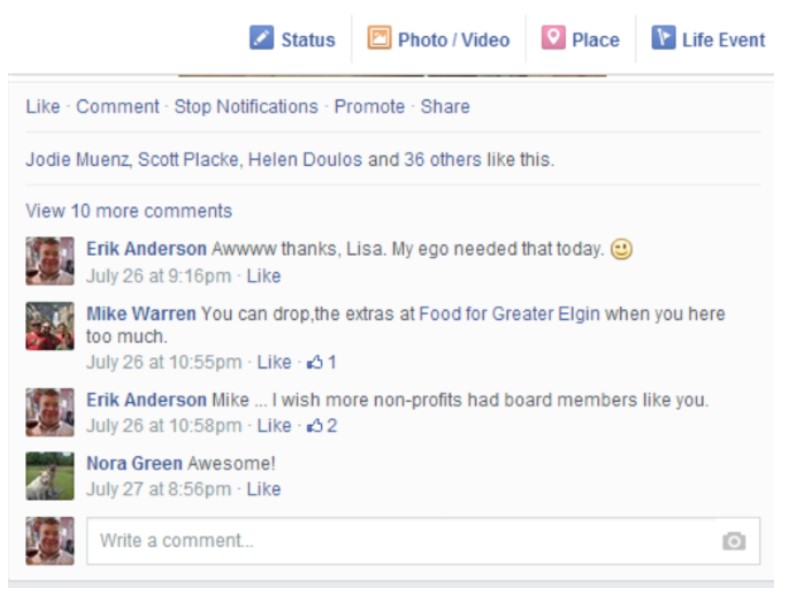
 As many of you know from previous blog posts, I’ve facilitated a ton of “board roles and responsibilities” trainings this year. So, the curriculum is fresh in my mind, which is why what happened on my Facebook page a few days ago struck me as awesome. Before I tell you about what happened, let’s quickly recap the following key points with regard to board roles and responsibilities:
![IMG_20140726_162802596[1]](https://donordreams.files.wordpress.com/2014/07/img_20140726_1628025961.jpg?w=576)
 I received a call from a old friend (we used to be real close 🙂 ) who served on the board of a very prominent organization. This is the story she told me. I share it with you to both illustrate how easy it is to disengage good board members and how important it is to institute and follow good process.
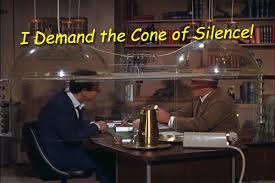 More than a decade ago, I attended a BoardSource conference/workshop at Sears’ corporate offices in Hoffman Estates, Illinois. During one of the sessions, the trainer shared her teachable point of view on how often boards should go into executive session, which she explained was at the end of every meeting. I’m dedicating today’s post as a counter-weight to that practice.
 After attending the BoardSource workshops at Sears as a young and naive executive director, I brought a ton of good ideas back home with me and shared them with the Board Development Committee. One of those ideas was for the board to go into executive session as a regular practice at the end of every meeting.
 In a recent conversation with a friend about their non-profit board, it came to light that board members used email to take an important vote because scheduling a special board meeting was too difficult with everyone’s busy schedules.
 The following are just a few suggestions you may want to consider:
 On Tuesday of this week, my blog post titled “
 Now this didn’t happen because I smelled bad or people disliked me (at least I don’t think so). It happened because of how I approached my individual meetings with board members. Here is what was on my agenda:
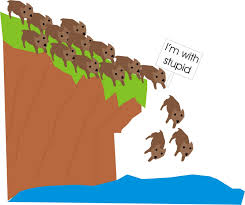 There have been multiple things that have happened in the past week that have made me re-consider the phrase “Don’t drink the Kool-Aid.”
 “Silent Starts — Set aside 2 minutes for each trustee to anonymously write on an index card the most important question relevant to the issue at hand.”