 Last week I wrote a post titled “Philanthropy is all about individuals” and focused on the newest set of data in the Giving USA annual report. Not surprisingly, the report told us that individuals are responsible for more than three-quarters of charitable giving. Of course, not every non-profit organization asks individuals for their support in the same way, which is why I found the information in Software Advice’s report titled “Which Fundraising Event Is Best for Your Nonprofit? IndustryView | 2015” very interesting.
There are many ways to ask individuals for their charitable dollars and support:
- special events
- annual campaign pledge drives
- direct mail
- major gift proposals
- capital campaigns
- endowment appeals
- any number of online giving strategies (e.g. personal pages, crowdfunding, social media appeals, website landing page, etc)
Savvy non-profits have a diverse approach and often include many of these strategies in their written resource development plan. Smaller organizations usually embrace fewer of these approaches simply because their organizational capacity doesn’t allow them to do everything.
The following statement from the Software Advice report caught my attention:
“According to the research group Nonprofit Research Collaborative, event fundraising is quite popular: 82 percent of nonprofits host galas, golf tournaments, competitive races and other types of events to amass contributions and raise awareness for causes.”
 In other words, most of us run at least one special event as part of our comprehensive resource development program. While this was foreseeable and expected, what was surprising to me was that different size non-profit organizations get more bang-for-their-buck from different types of events. And what floored me was that regardless of organizational size most respondents reported that “fun runs and walks” universally receive a high return on investment (ROI).
And then I remembered what I wrote last week . . .
Philanthropy is all about individuals
Of course, “fun runs / walks” get the most ROI when compared to other events. They engage a lotw of individuals both as volunteers and even more as donors who might have been asked to make pledge for every mile walked.
Janna Finch, who is a non-profit researcher for Software Advice summed it up best when she said:
“We found that fun runs and walks, a-thon events and competitions are best for small nonprofits—including athletic clubs, PTAs, booster clubs and similar—because they are budget-friendly and easy to plan no matter a person’s experience. The good news is many of those types of organizations already host such events and execute on planning them very well.”
In addition to the report’s finding on”fun runs and walks,” the following are few additional key findings:
- Small nonprofits are at a disadvantage compared to larger nonprofits: Respondents say the upfront investment for an event is a strain on resources.
- On average, a-thon events have the lowest cost per dollar raised (CPDR), and thus are suitable for all nonprofits. Concerts have the highest CPDR, requiring a larger budget.
- CPDR, number of new donors and number of attendees are the most popular metrics to measure event success, used by 83 percent, 80 percent and 75 percent of respondents, respectively.
- Respondents say that software, including fundraising and event management applications, speeds up event performance analysis and improves experiences for both staff and attendees.
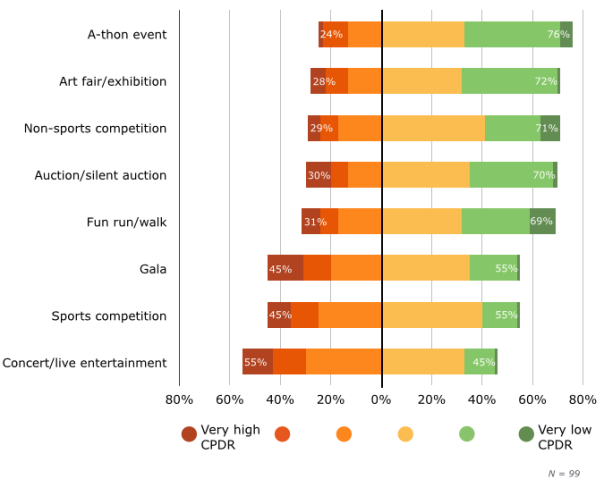
The following is an awesome SlideShare document summary provided by Software Advice that nicely summarizes everything for those of you who don’t have time to read the entire report:
If you do have a little time, you really should click-through and read the report. It contains lots of interesting facts and findings that you and your fundraising volunteers will likely find thought provoking.
Does your organization run special events? How do you determine which ones are best for you, your volunteers, and your community? What data analytics do you track and how do you use it?
Here’s to your health!
Erik Anderson
Founder & President, The Healthy Non-Profit LLC
www.thehealthynonprofit.com
erik@thehealthynonprofit.com
http://twitter.com/#!/eanderson847
http://www.facebook.com/eanderson847
http://www.linkedin.com/in/erikanderson847
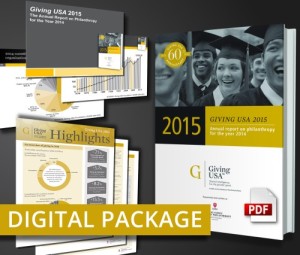 It is June and you know what that means … The Indiana University Lilly Family School of Philanthropy and the fundraising professionals from
  Before you dive into lots of other chatter, you may want to purchase this year’s Giving USA annual report (or at least download the free whitepaper highlights).
  In recent months, I’ve been reminded of the power of donor databases and Customer Relationship Management (CRM) systems. For-profit corporations grasped the importance of gathering customer data a long time ago, which is why they invested in these systems before many non-profit organizations started doing so. I will divide the remainder of this blog post up into sections and share a few personal stories about my experiences in recent months. At the end of this post, I’ll share a few resources to help you with your search.
![IMG_20150414_215128628[1]](https://donordreams.files.wordpress.com/2015/06/img_20150414_2151286281.jpg?w=169) My husband and I like to take cruises every other year and visit fun places. Over the years we’ve traveled to the Caribbean, Greek Islands, Scandinavian peninsula (and St. Petersburg, Russia), Alaska, and recently the Panama Canal (and Central America).
My husband and I like to take cruises every other year and visit fun places. Over the years we’ve traveled to the Caribbean, Greek Islands, Scandinavian peninsula (and St. Petersburg, Russia), Alaska, and recently the Panama Canal (and Central America).![IMG_20150414_191147999_HDR[1]](https://donordreams.files.wordpress.com/2015/06/img_20150414_191147999_hdr1.jpg?w=300) While some people think this level of interaction is creepy, I believe the vast major of people (including myself) find this comforting and convenient. I prefer to think of it differently. I’m in a 10 year relationship with Princess Cruises, and they better know my preferences just like my husband better know my eye color.
While some people think this level of interaction is creepy, I believe the vast major of people (including myself) find this comforting and convenient. I prefer to think of it differently. I’m in a 10 year relationship with Princess Cruises, and they better know my preferences just like my husband better know my eye color.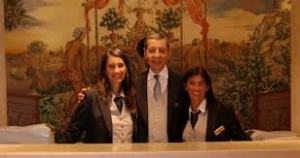 When I returned from my cruise at the end of April, I immediately hit the road on a business trip. Whenever I visit this one particular client, I always stay at the same hotel — Marriott SpringHill Suites.
 As I’ve already explained, I couldn’t sleep, and the Red Cross story by Larry Wilmore rattled me to my non-profit core.
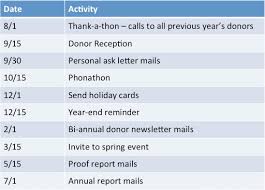
 Recently, I’ve become frustrated by the word “stewardship” because every time I say it, the conversation immediately veers in the direction of gift acknowledgement letters, annual reports, thank-a-thon events, etc. While these things are important and necessary, the fact of the matter is that recognition is only a part of stewardship.
 I went looking online for other non-profit consultants and bloggers with ideas to share. So, I wasn’t surprised when I came across a similar post from Marc Pitman (otherwise known as The Fundraising Coach). He also talks about Haiti and the Red Cross, and at the end of his blog post he lays out an awesome 30 minute exercise you can facilitate in your boardroom or with your resource development committee.
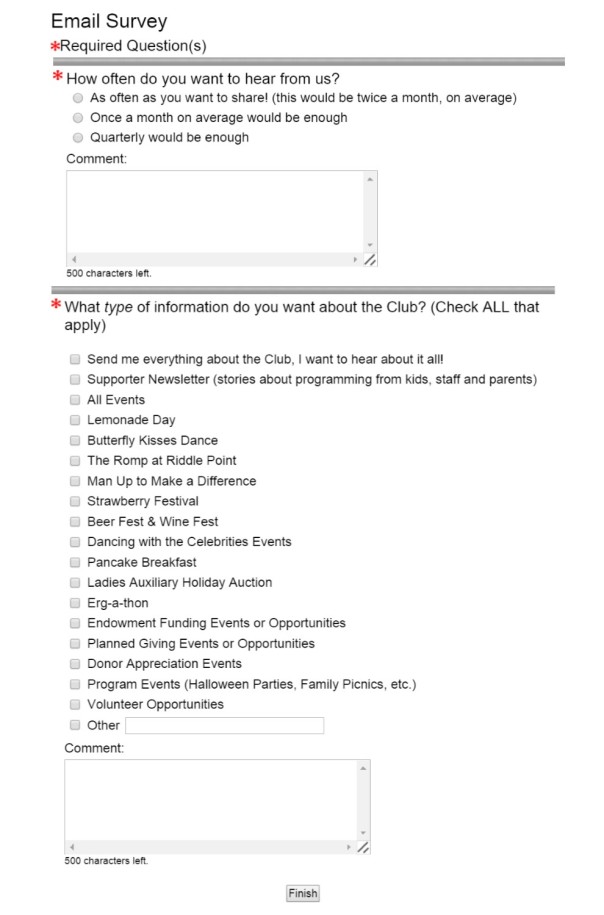
 A few weeks ago I received an email from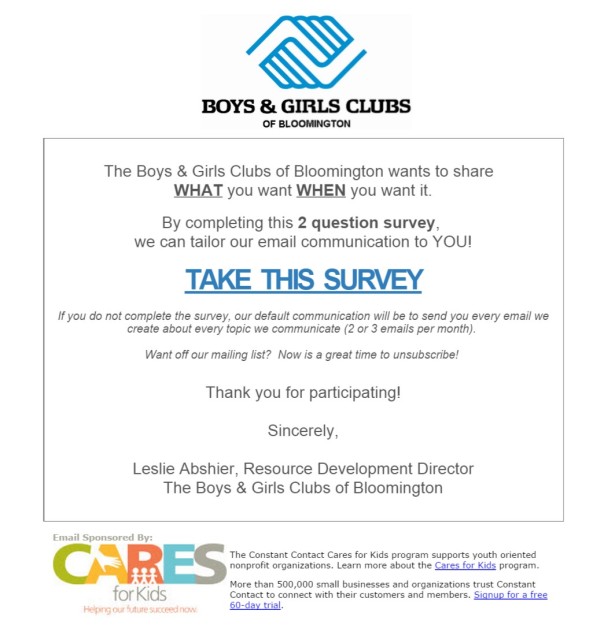


 A few months ago, my husband and I attended the
 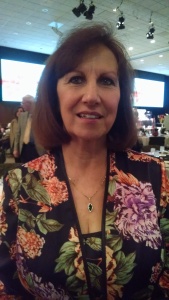 Karen and her husband Dan are the co-chairs of this event. They have volunteered and co-chaired for countless years. The following are just a few reasons I decided to include Karen’s picture as photo evidence of a best practice:
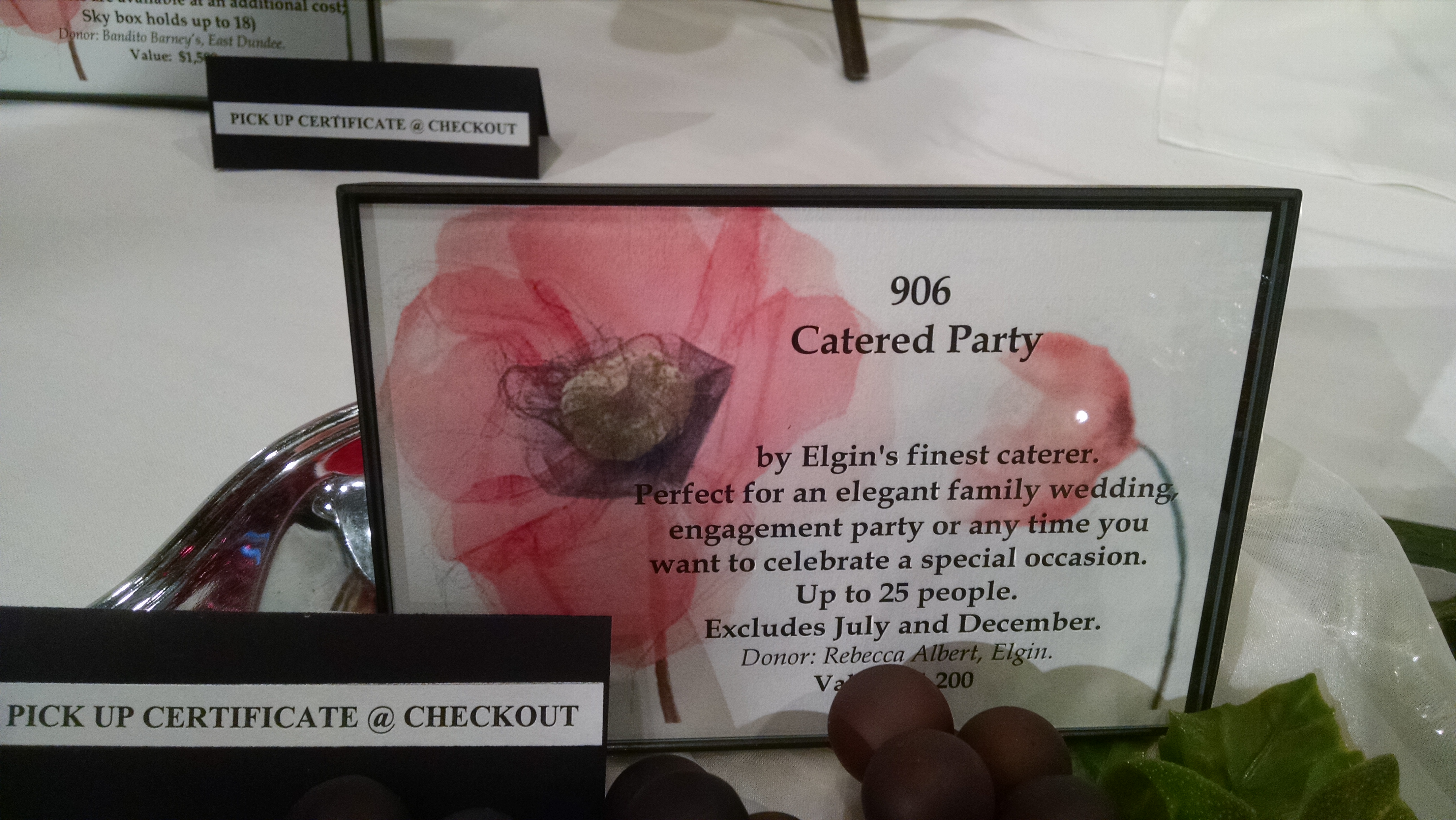
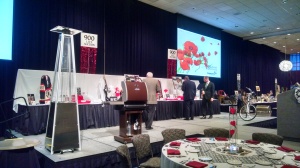 Charity auctions are funny and quirky events. There is a weird “bargain hunter” mentality that is pervasive. I am a firm believe that you need to offer donors more than just a simple silent auction opportunity.
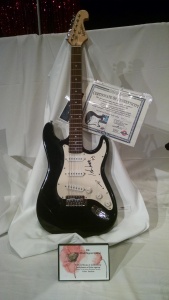 The following are just a few tips you might want to consider:
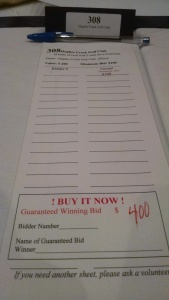 I love the idea of adding a “guaranteed winning bid” to the bid form. You need to be careful about where you set that number, but I suggest setting it around 50% above fair market value.
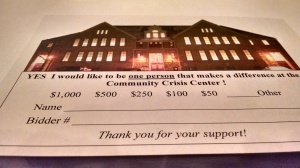 When running a charity auction, there are always winners and losers at the end of the evening. There are donors who want to support your mission but couldn’t because they were outbid. Of course, the Community Crisis Center had a solution for this. They placed pledge cards in the middle of every table.
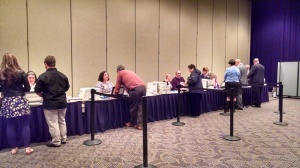 Nothing is worse than having to stand in long lines at the end of the evening to figure out what you won, pay your bill and collect your winnings. I just love how this organization does their checkout.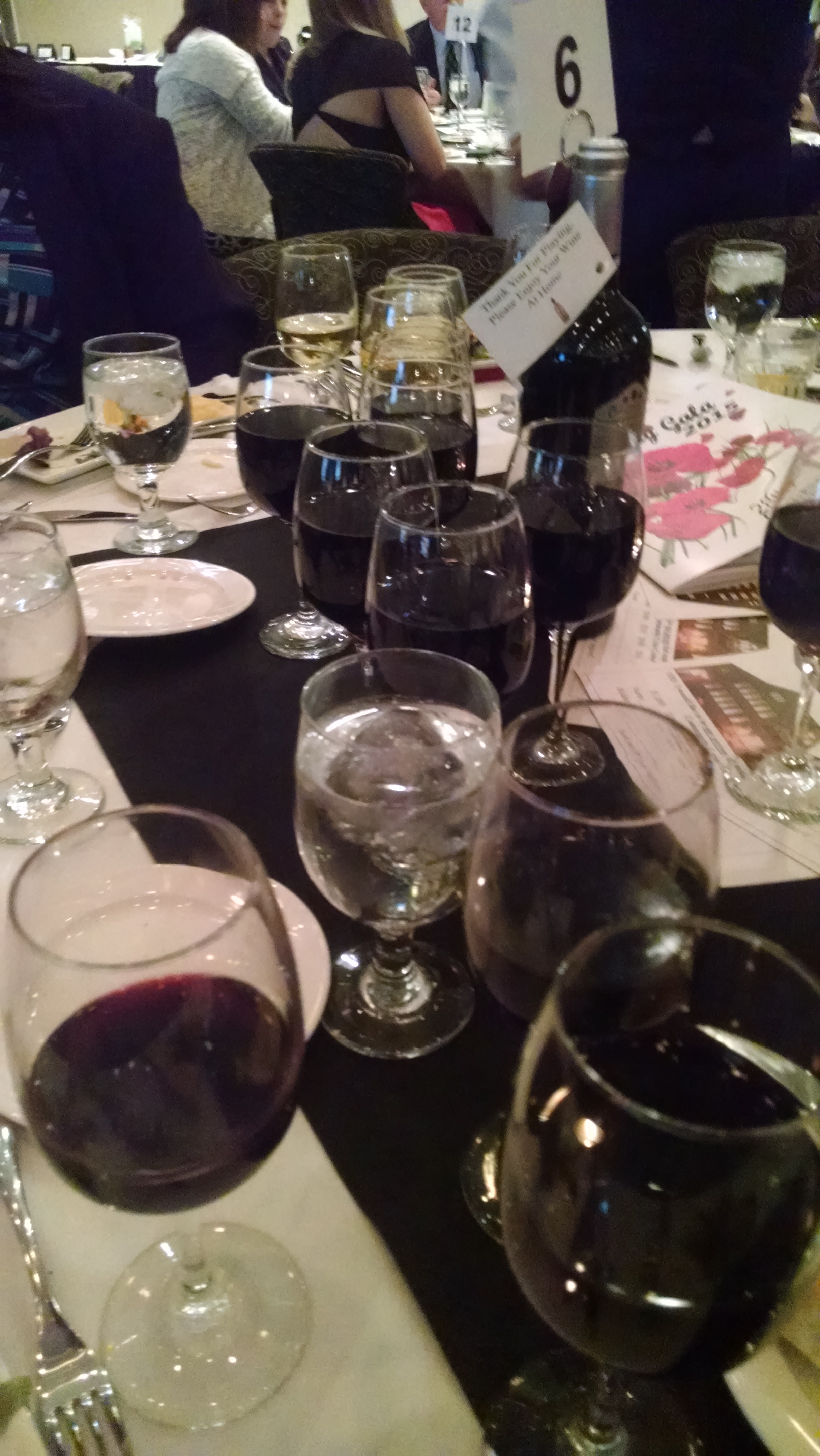
 I am thrilled to be hosting the
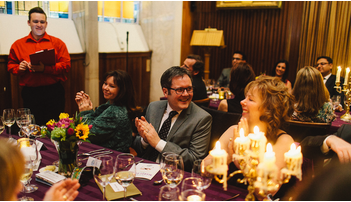 An event hosted by a nonprofit is often fighting an uphill battle even before the first committee meeting is scheduled. A finite amount of funds and resources are often all that is available to these worthy causes, which makes raising money for cancer research or underprivileged children even more crucial. However, the lack of resources can leave those involved frustrated, overworked and unsure of how to make an event impactful while working under such budgetary conditions.
 How can you improve our donations?