
 After spending a nice long Labor Day weekend in Michigan at a friend’s summer cottage on Saginaw Bay, I am now faced (as are you) with the long slide towards the end of the year. Not only can I not wear white clothing now that Labor Day has come and gone, but my fundraising friends should be starting to engage board, staff and fundraising volunteers in developing their agency’s written 2015 resource development plan.
The process of engaging all necessary stakeholders in this process can oftentimes feel like that old Dunkin’ Donuts commercial featuring “Fred the Baker” who was famous for saying “Time to make the donuts!”
Additionally, some fundraising professionals complain that the process can be complicated and confusing.
With all of these things in mind, I decided to commit this morning’s blog post to providing you with resources, samples, templates and worksheets to hopefully make this exercise a little easier this year.
However, before we start, let’s review why writing your agency’s annual written fundraising plan is so important:
- It mirrors the creation of your agency’s operating budget, providing board members with the necessary strategies and explanations behind the revenue numbers they see in the revenue budget.
- It provides fundraising professionals an opportunity to “engage” their co-workers, board members and fundraising volunteers (e.g. as Jim Collins talked about in his book, “From Good To Great,” getting the right people on the bus and in the right seats).
- It provides clarity around the goals, strategies and tactics necessary for success in the upcoming year.
- It allows you to take a step back and see the “forest through the trees” before plunging into another series of campaigns, events and set of fundraising activities (e.g. grant writing, cultivation, stewardship, etc).
Of course, plans come in all sorts of different shapes and sizes.
 Having two degrees in planning, I tend to get overly excited about developing plans, and some of my past resource development plans have been 50 and 75 pages in length (Yeah, I have gotten carried away). Those plans included elements such as:
- statement of fundraising purpose (e.g. big picture case for support document)
- goals
- strategies
- tactics (e.g. action plans for each strategy)
- comprehensive fundraising calendar
- resource development policies
- range of gift charts
- prospect lists of volunteers broken out by campaign/event
- prospect list of donors broken out by campaign/event
- budgets
- toolkit in appendices with resources such as job descriptions, GRPIs, committee charters, etc
Before you contemplate going to the roof and throwing yourself off of it, please understand that it doesn’t have to be this way.
I recent purchased a copy of Pamela Grow’s e-book “Simple Development Systems: Successful Fundraising for the One-Person Shop“. Her book is a wonderful reminder of how your annual written fundraising plan doesn’t need to be much more than a one page summary sheet that ties back to a series of simple worksheets focused on:
- grant writing
- growing individual donors
- public relations and donor stewardship
- website and social media
- how to tell your agency’s story
Regardless of what your plan looks like, I’ve scoured the internet this morning looking for resources to help make your planning experience a little easier this year. Please take a moment to click-through and review some of these samples, templates, and worksheets. I promise you won’t be disappointed!
First, if you have the time, I found this one hour long YouTube video from Emily Davis at GiftWorks on “Creating a Resource Development Plan“. It’s a great resource to frame your journey if you have the time. You might want to also share it with your fundraising volunteers before inviting them to their first planning meeting.
The following are samples and templates you might want to check out (because Stephen Covey always says “Begin with the end in mind.)
- Joyaux Associates: “Creating a Fund Development Plan That Produces Ownership and Results“
- Lori Jacobwith: “Sample Annual Fund Development Plan for ABC LITERACY CENTER, INC.“
- NorthSky Nonprofit Network: “Fund Development Plan template“
- Nonprofit Resource Center: “Fund Development Plans – The Key to Successful Fundraising“
Oftentimes, national organizations like Boys & Girls Clubs of America produce samples and worksheets to help their local affiliates with their resource development planning process. Here are two links I think you will find useful:
- FUNDRAI$INGbank: “Sample Resource Development Plan“
- FUNDRAI$INGbank: “Workbook samples“
Is your organization starting its resource development planning process for 2015? What are some of the considerations you’re looking at? What resources do you use to help frame this important process? Please scroll down and share your thoughts and experiences in the comment box below. We can all learn from each other.
Editorial note: Since this blog post was published, it went on to become one of the most popular posts in 2015. Seeing this level of interest, we developed a five part series focused on how to develop your organization’s annual resource development plan. Here are links to those posts:
- Writing your resource development plan in steps: Step One
- Writing your resource development plan in steps: Step Two
- Writing your resource development plan in steps: Step Three
- Writing your resource development plan in steps: Step Four
- Writing your resource development plan in steps: Final Words
Here’s to your health!
Erik Anderson
Founder & President, The Healthy Non-Profit LLC
www.thehealthynonprofit.com
erik@thehealthynonprofit.com
http://twitter.com/#!/eanderson847
http://www.facebook.com/eanderson847
http://www.linkedin.com/in/erikanderson847
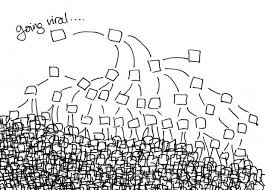 Jeff Foxworthy has made a career out of answering a simple question: “You know you’re a redneck when . . .” This morning I thought I’d do something similar with: “You know you’re fundraising campaign has gone viral when . . .” by describing how last week unfolded for me as it relates to the
  Fellow blogger and fundraising genius — Jeff Brooks — publishes a blog post titled “
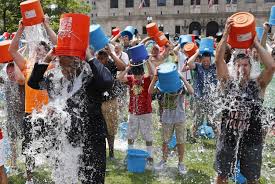 The day is winding down. The television is on, we’re into what will likely be the last show of the evening before going to bed, and my phone starts to blow-up. Needless to say, one of my former Boys & Girls Club of Elgin board presidents and good friend, Tim Williams, just completed the
  Many years ago I traveled the Midwest region as an internal consultant working for a large national non-profit organization. For part of my time there, I worked with countless local affiliated organizations on planning and implementing an annual campaign focused on face-to-face solicitation strategy. Some agencies took to it like a duck to water, and others just struggled. Every once in a while (typically when I’m contemplating the origins of the universe), I think back to those days and wonder what the difference was between those two realities.
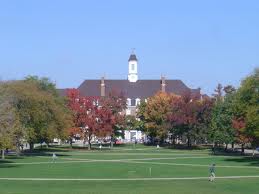 I have a confession to make. For years, one of the ideas I’ve shared with clients is that a postcard can be an effective stewardship strategy. The truth is that I’ve doubted the effectiveness of this strategy primarily because I had never seen it done well. Today, I’m able to say that I’ve seen the light and officially have become a believer thanks to my alma mater — University of Illinois (UIUC).

 Last week I was walking our dog, Betrys, when I came across a lemonade stand in my neighborhood. A mom was helping her two young sons set-up as I approached. It was in that moment that the 3-year-old boy learned a valuable lesson that every fundraising professional learns sooner or later in their career. So, I decided to take a minute to blog about it this morning.
 Our job as fundraisers is to understand the rules of engagement when it comes to fundraising:
 On Tuesday, I wrote a post titled “
 What if your spouse or friend approached you and said, “I am really hungry and I need you get me food and make a meal before I starve.” However, they didn’t tell you:
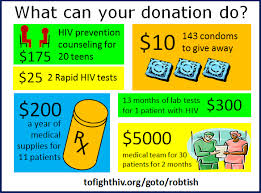 A few observations:
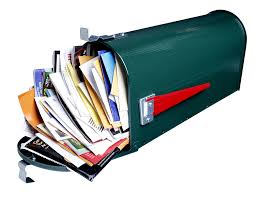 A client called and asked for a little help with their upcoming direct mail solicitation. As a result, all I’ve had on my mind over the last few days is direct mail. So, it only made sense to blog about it today. I’m breaking this post down into small sections, and I’m doing so in the order of highest importance (e.g. the first section has a bigger impact on the performance of your mailing than the second section, etc)
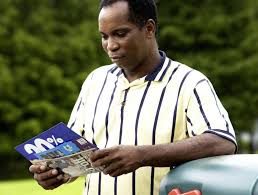 Perhaps, the biggest factor in the success of your direct mail appeal is your mailing list. The following are just a few donor segments that I’ve mailed to throughout the years:
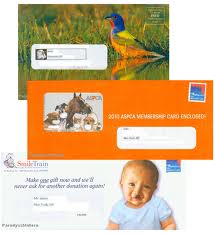 Your beautifully crafted letter means nothing if the recipient of your mailing doesn’t open the envelope. Right?
 Haha! You thought I was going to start with something like, “And God said, ‘Let there be light,’ and there was light.” (OK, the thought went through my head. Guilty as charged!)
 He who seeks finds
 Give to him who asks of you
 Craig Linton, blogger at
  Acknowledgement letters, emails, phone calls and gifts
 Inviting donors to take a tour
 Send chocolate covered strawberries
 “I laughed at the Lorax, “You poor stupid guy!
 Other stewardship activities definitely get you a little closer to building that relationship and understanding your donors’ rationale for making a charitable contribution: