
A few years ago, Meghan Trainor released a song titled “All About That Bass,” and it immediately resonated with the world. For whatever reason, that song is rumbling through my head this morning as I think about your organization’s year-end fundraising efforts. Of course, I’m changing the lyrics to the song to make it more appropriate for fundraising professionals, and it is starting to sound a little bit like this:
Because you know I’m all about that list
‘Bout that list, no envelope
I’m all about that list
‘Bout that list, no response card
I’m all about that list
‘Bout that list, no letter
I’m all about that list
‘Bout that list … list … list … list
Just in case you have no idea what song I’m butchering, check out Meghan Trainor’s music video on YouTube.
You’re probably wondering what I mean when I say I’m not about the envelope, response card, letter, etc. in my silly, made-up song lyrics.
I don’t mean to imply those elements of your year-end holiday mail appeal aren’t important. Because, of course, they are. However, those things are considerations for you down the road.
In my opinion, your first order of business is pulling together a good mailing list.
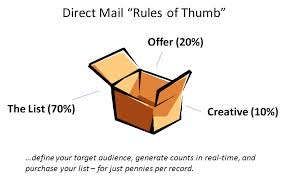 Without a good list of donors, your year-end mail appeal will fall very flat and likely not raise very much money. Some direct mail experts, such as the folks at zairmail, have said the quality of your list can account for up to 70% of your year-end fundraising success.
When I worked on my last year-end holiday mail campaign, here were some of the lists I pulled from to create my larger prospect list:
- LYBUNTs/SYBUNTs
- Donors who already gave once this calendar year
- Donors who traditionally only give to year-end holiday appeals
- Targeted prospects from various lists I had purchased from mail house throughout the years
Typically, I didn’t blanket this group of prospects with the same appeal letter. Instead, I would target different letters with different messages to each niche group of prospects, and then I’d track the response rates and evaluate what worked (or didn’t work) so I could make adjustments next year.
With more than half of 2015 gone, I’m encouraging you not to wait until October or November to start thinking about your year-end holiday appeal efforts.
Start today!
And don’t start working on issues like what the letter says or what the mail package looks like. Those things can be put on the back burner for a few more weeks, but thinking about your list is something you can be (and should be) working on today. After all, it is the one most important elements of your year-end appeal that will make or break you.
Here are a few things you might want to consider doing in the next 30 days:
- Make a decision on who you plan to include on your year-end holiday appeal and start pulling those lists
- Scan the list for donors with high giving capacity and make plans to call them and sit down with them before the end of the summer (not to solicit them . . . just a cultivation or stewardship visit)
- Make plans to communicate with everyone people on this list at least two of three things before your send them a fundraising appeal in early November
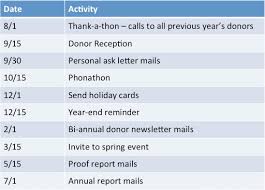
The following is a short list of communication tactics you might want to consider:
- Send everyone a “Christmas in July” holiday card (or if you want to keep it non-religious simply make it a mid-year holiday card)
- Mail out a newsletter or e-newsletter
- Develop and distribute a mid-year impact report
- Create a targeted social media distribution list comprised of your year-end fundraising appeal prospects and start tweeting or posting semi-regularly about how your organization is getting ready for year-end programming with clients
In effect, you are warming your pool of prospects and donors, which should improve your response rate.
If you do this pre-holiday communication strategy correctly, you might even be able to reference something you said mid-year in your year-end appeal letter. Doing so, will be a gentle reminder to the donor that you’ve been talking to them about your case for support for a long time. Essentially, the ask won’t feel so sudden and abrupt.
The other reasons I like the idea of starting now rather than waiting is because:
- It allows you to reach out mid-year LYBUNT/SYBUNT donors and gives you time to address issues they might have with your organization (which is likely what has kept them from renewing their support)
- It also gives you an opportunity to be more personal and intentional with higher capacity donors who might make a smaller token contribution if asked via direct mail at the end of the year instead of an in-person solicitation
Where is your organization at with planning for its year-end fundraising efforts? Please scroll down and share your thoughts and activities in the comment box. Not only can we learn from each other, but we can inspire each other too.
Here’s to your health!
Erik Anderson
Founder & President, The Healthy Non-Profit LLC
www.thehealthynonprofit.com
erik@thehealthynonprofit.com
http://twitter.com/#!/eanderson847
http://www.facebook.com/eanderson847
http://www.linkedin.com/in/erikanderson847
 Last week I wrote a post titled “
 In other words, most of us run at least one special event as part of our comprehensive resource development program. While this was foreseeable and expected, what was surprising to me was that different size non-profit organizations get more bang-for-their-buck from different types of events. And what floored me was that regardless of organizational size most respondents reported that “fun runs and walks” universally receive a high return on investment (ROI).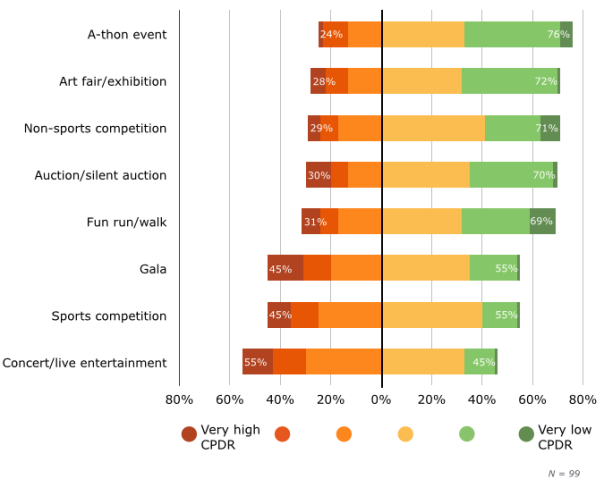
 It is June and you know what that means … The Indiana University Lilly Family School of Philanthropy and the fundraising professionals from
  Before you dive into lots of other chatter, you may want to purchase this year’s Giving USA annual report (or at least download the free whitepaper highlights).
  In recent months, I’ve been reminded of the power of donor databases and Customer Relationship Management (CRM) systems. For-profit corporations grasped the importance of gathering customer data a long time ago, which is why they invested in these systems before many non-profit organizations started doing so. I will divide the remainder of this blog post up into sections and share a few personal stories about my experiences in recent months. At the end of this post, I’ll share a few resources to help you with your search.
![IMG_20150414_215128628[1]](https://donordreams.files.wordpress.com/2015/06/img_20150414_2151286281.jpg?w=169) My husband and I like to take cruises every other year and visit fun places. Over the years we’ve traveled to the Caribbean, Greek Islands, Scandinavian peninsula (and St. Petersburg, Russia), Alaska, and recently the Panama Canal (and Central America).
My husband and I like to take cruises every other year and visit fun places. Over the years we’ve traveled to the Caribbean, Greek Islands, Scandinavian peninsula (and St. Petersburg, Russia), Alaska, and recently the Panama Canal (and Central America).![IMG_20150414_191147999_HDR[1]](https://donordreams.files.wordpress.com/2015/06/img_20150414_191147999_hdr1.jpg?w=300) While some people think this level of interaction is creepy, I believe the vast major of people (including myself) find this comforting and convenient. I prefer to think of it differently. I’m in a 10 year relationship with Princess Cruises, and they better know my preferences just like my husband better know my eye color.
While some people think this level of interaction is creepy, I believe the vast major of people (including myself) find this comforting and convenient. I prefer to think of it differently. I’m in a 10 year relationship with Princess Cruises, and they better know my preferences just like my husband better know my eye color. When I returned from my cruise at the end of April, I immediately hit the road on a business trip. Whenever I visit this one particular client, I always stay at the same hotel — Marriott SpringHill Suites.
 As I’ve already explained, I couldn’t sleep, and the Red Cross story by Larry Wilmore rattled me to my non-profit core.
 Recently, I’ve become frustrated by the word “stewardship” because every time I say it, the conversation immediately veers in the direction of gift acknowledgement letters, annual reports, thank-a-thon events, etc. While these things are important and necessary, the fact of the matter is that recognition is only a part of stewardship.
 I went looking online for other non-profit consultants and bloggers with ideas to share. So, I wasn’t surprised when I came across a similar post from Marc Pitman (otherwise known as The Fundraising Coach). He also talks about Haiti and the Red Cross, and at the end of his blog post he lays out an awesome 30 minute exercise you can facilitate in your boardroom or with your resource development committee.
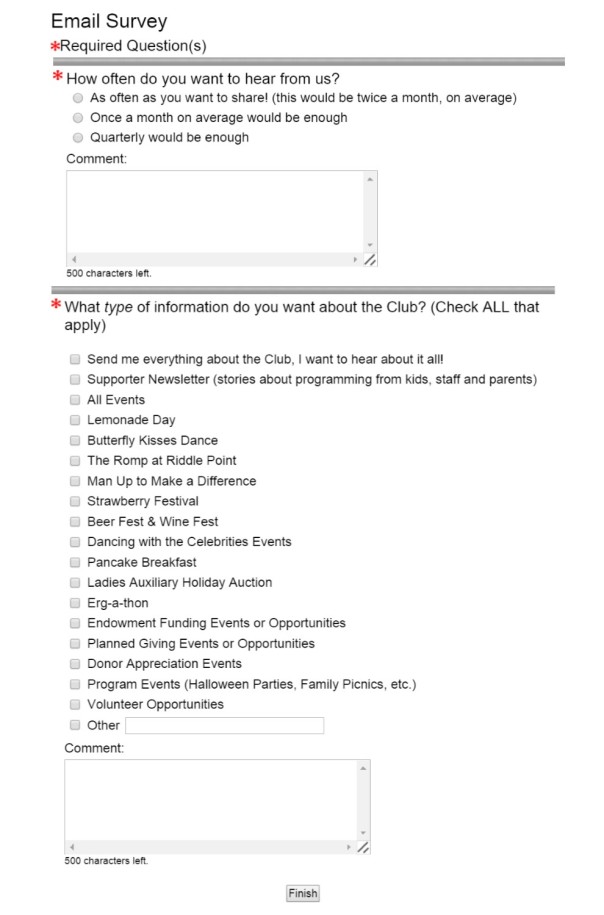
 A few weeks ago I received an email from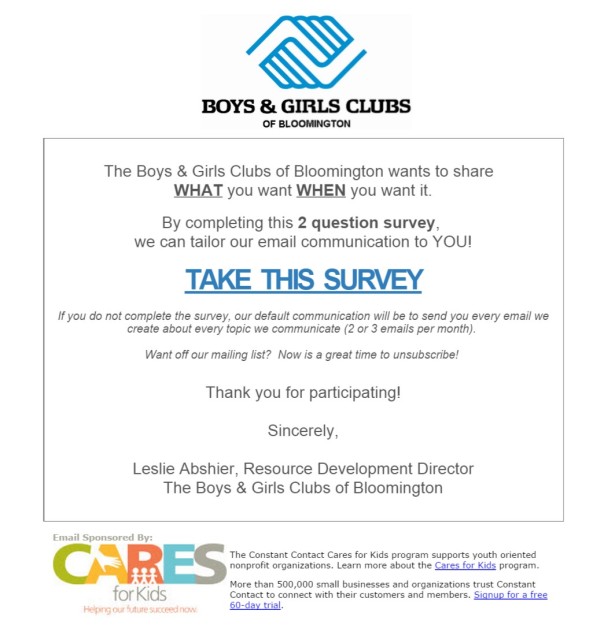


 A few months ago, my husband and I attended the
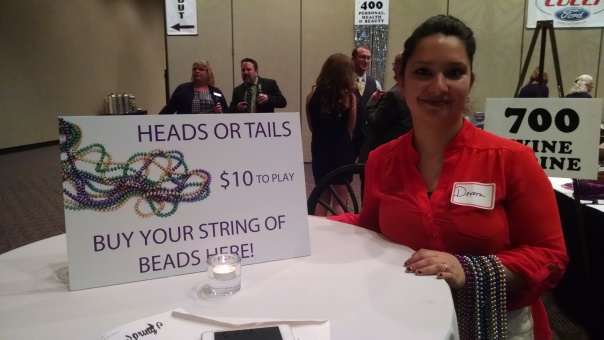
 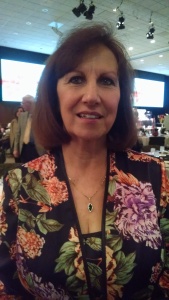 Karen and her husband Dan are the co-chairs of this event. They have volunteered and co-chaired for countless years. The following are just a few reasons I decided to include Karen’s picture as photo evidence of a best practice:
 Charity auctions are funny and quirky events. There is a weird “bargain hunter” mentality that is pervasive. I am a firm believe that you need to offer donors more than just a simple silent auction opportunity.
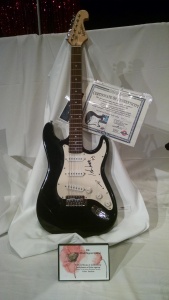 The following are just a few tips you might want to consider:
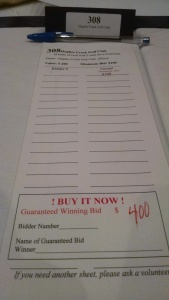 I love the idea of adding a “guaranteed winning bid” to the bid form. You need to be careful about where you set that number, but I suggest setting it around 50% above fair market value.
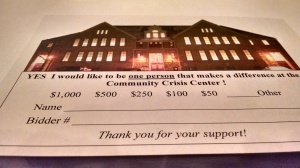 When running a charity auction, there are always winners and losers at the end of the evening. There are donors who want to support your mission but couldn’t because they were outbid. Of course, the Community Crisis Center had a solution for this. They placed pledge cards in the middle of every table.
 Nothing is worse than having to stand in long lines at the end of the evening to figure out what you won, pay your bill and collect your winnings. I just love how this organization does their checkout.
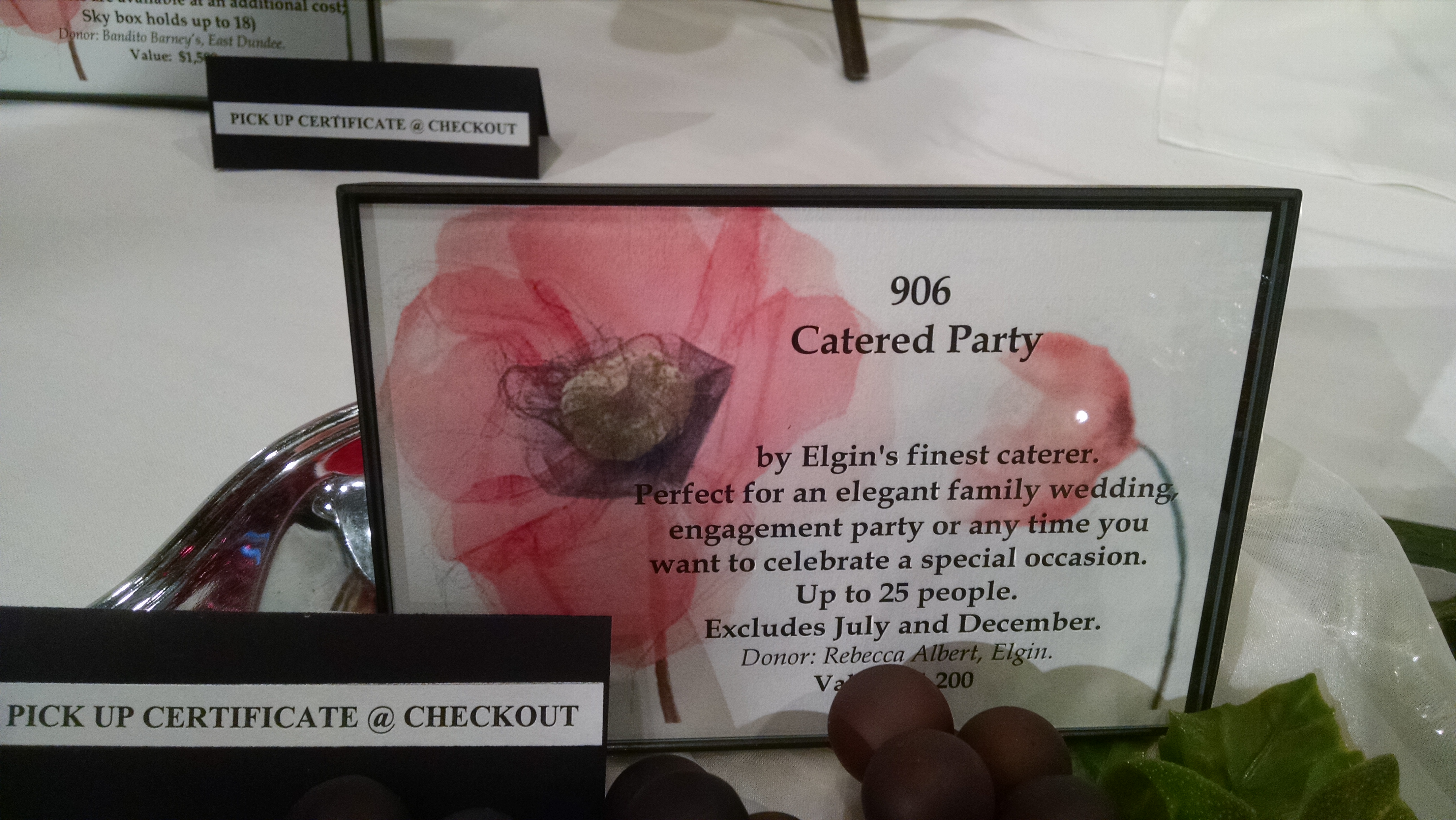
 I am thrilled to be hosting the