 A few years ago I noticed some of the letters being sent to me by non-profit organizations were getting less wordy. In fact, these next generation donor communications pieces were mostly featuring a big photograph of someone/something that was supposedly mission-focused.
At first, I really didn’t like this new approach to donor communications. Don’t get me wrong . . . I disliked the blah-blah-blah letters. Like most readers, I would read the old solicitation letters like this:
- Salutation (e.g. did they spell my name right?)
- First few sentences (e.g. how much do they want and what’s the case for support this time?)
- Skip to the signature (e.g. do I know the person who signed the letter?)
- Post script (e.g. don’t know why, but I always read the P.S.)
- If this five second review hooks me, then I’ll go back to the beginning and start skimming (honestly probably paying more attention to bullets, highlighted text and anything in bold/italics)
It was even worse with gift acknowledgement letters, which I would read like this:
- Salutation (e.g. did they spell my name right?)
- Did they get my pledge or gift amount right? (e.g. this is for the IRS and I can’t afford an error)
- Is there a personal notation on the letter (e.g. did my gift merit a little love or was this just a transaction?)
- Is the boilerplate IRS verbiage about the value of any goods or services being received by me from the non-profit as part of my contribution correctly listed (e.g. as I said earlier . . . I don’t wanna tangle with the IRS)
The first few times I received what I am describing as “next generation donor communication pieces,” I simply didn’t like it because it represented change. It threw me off my reading routine, which is silly reason to dislike something. Right?
However, the first time one of these letters was used to acknowledge my contribution by a local non-profit organization, I was upset for a few reasons:
- In their haste to use as few words as possible, they got wrong the boilerplate IRS verbiage about the value of any goods or services being received (this was a technical error)
- I felt slighted because it was as if “my gift didn’t even rise to the level of deserving a handful of kind words” (by the way, the letter couldn’t have been more than three or four sentences with a giant cute picture of a client)
And then . . . I changed my mind after recently receiving the following year-end solicitation letter from my alma mater
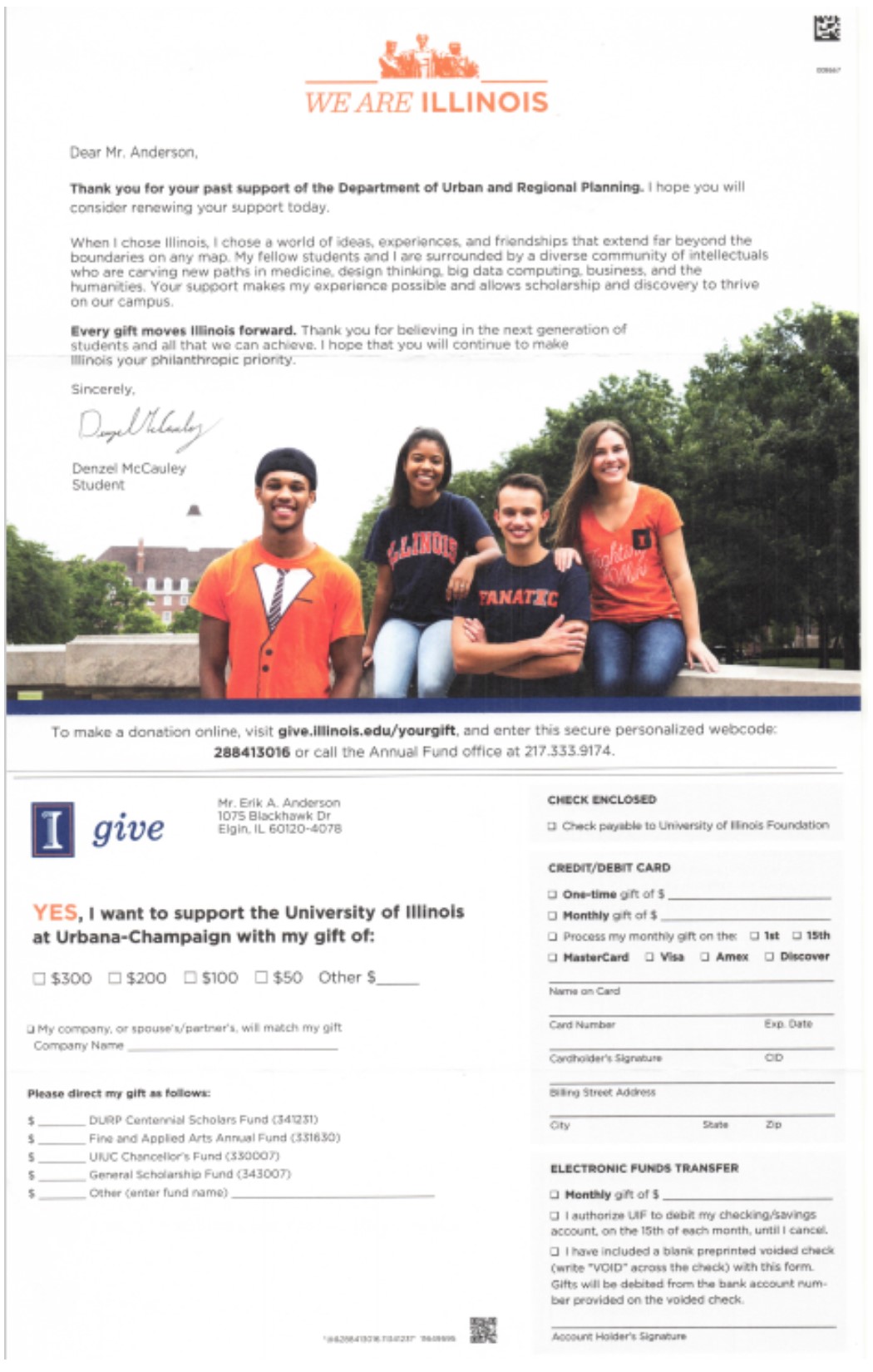
Three short paragraphs. One large picture. Lots of wonky ways to give my money.
Here is what appealed to me and changed my mind about this style of donor communications:
- The picture took me back to my college years. I know exactly where those four students are standing. I’ve stood there before. I suspect that I felt that same way they appear to be feeling. This picture created an immediate emotional connection for me in a way that words never have.
- The logo at the top of the letter also created an immediate emotional connection. It is a picture of the iconic Alma Mater statue. For many students, this artwork at the entrance to the Quad symbolizes many things (e.g. a sense of welcoming, nurturing, school pride, etc). Many students have fond memories attached to this statue.
- The shortened fundraising verbiage cut to the bottom line and the three most important things to me and most other donors: a) the university is grateful for my last contribution; b) my gift made a difference in the life of a student; and c) they want me to continue my support. All three of these messages are emotional in natural (e.g. they love me, they flatter me, they want me back).
- The multitude of choices is appealing (e.g. cash, credit, EFT/ACH, monthly giving options, gift restriction options). This makes me feel “in charge” and not like I’m giving money to a large, faceless organization that is going to do whatever it pleases with my financial contribution. Again, another emotional message (e.g. providing choice implies trust and respect in our society)
I’ve been a fan of Tom Ahern for years. I think he is one of the smartest donor communications experts in the field. In his videos and e-newsletters he often takes about the the six most powerful emotional triggers that marketers use to get people to do “something” like purchase a product, vote for a candidate, make a charitable contribution, etc.
Just in case you’re wondering, here are those six emotional triggers:
- anger
- exclusivity
- fear
- flattery
- greed
- guilt
Tom also talks about the 13 strongest words used by marketing professionals. Here is a list of those words:
- discovery
- results
- proven
- early
- safety
- free
- save
- guarantee
- new
- money
- health
- YOU
I love Tom, but I do cheat on him from time-to-time by reading other donor communications and direct mail experts like Mal Warwick. 😉
The following are five positive triggers that marketers use to emotionally move us to do something:
- hope
- love
- compassion
- duty
- faith
As you review these lists of emotional triggers and powerful words offered by some of the smartest thought-leaders on this topic, can you identify which trigger the University of Illinois wove throughout its letter? Can you see how they did it? If you look really hard, you’ll be surprised at how much more is actually going on in this very short and powerful letter.
Please use the comment box to share your thoughts and observations. We can all learn from each other.
Here’s to your health!
Erik Anderson
Founder & President, The Healthy Non-Profit LLC
www.thehealthynonprofit.com
erik@thehealthynonprofit.com
http://twitter.com/#!/eanderson847
http://www.facebook.com/eanderson847
http://www.linkedin.com/in/erikanderson847
 This month DonorDreams is hosting the nationally acclaimed
  As a teenager, I was a
  Instead of picking up the phone and talking to mail professionals, that 31-year-old executive director decided to engage a few friends and do a 12,000 piece mailer by himself. Uh-huh. I thought it would be easy to:
 I had the privilege of interviewing a young fundraising professional yesterday for an online article that I am writing. In that interview, we talked for almost an hour about direct mail and her passion for learning as much as she can about that industry’s best practices and how to apply it to her non-profit fundraising work.
 The ease of technology now reaches almost all aspects of life, even fundraising. With the help of social media and email and texting, nonprofits are now able to raise money with the click of a button. This shift has been hugely beneficial.
 Gretchen Barry, Director of Marketing — Gretchen has been a leader in corporate communications and marketing for 20+ years. Gretchen has published numerous articles related to charitable giving and is a passionate advocate for public schools. Gretchen has donated her time to numerous causes including Relay for Life, Girls on the Run, Rebuilding Together, and just recently became involved with the local land trust. Gretchen graduated from the University of Nevada with a degree in English literature.
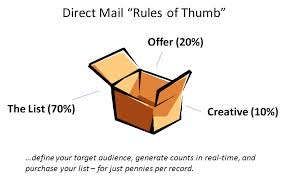 Without a good list of donors, your year-end mail appeal will fall very flat and likely not raise very much money. Some direct mail experts, such as the folks at
  On Tuesday, I wrote a post titled “
 What if your spouse or friend approached you and said, “I am really hungry and I need you get me food and make a meal before I starve.” However, they didn’t tell you:
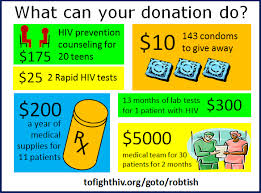 A few observations:
 Perhaps, the biggest factor in the success of your direct mail appeal is your mailing list. The following are just a few donor segments that I’ve mailed to throughout the years:
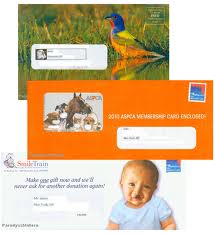 Your beautifully crafted letter means nothing if the recipient of your mailing doesn’t open the envelope. Right?
 In the weeks leading up to the government shutdown, I heard some rumblings via the news media that Senator Ted Cruz and those aligned with him were dragging things out in Congress to maximize their online and direct mail fundraising efforts. To be honest, I didn’t give much thought to those accusations. They sounded like sour grapes and something partisan opponents would say in the heat of the moment. And then . . . when the government actually shut down, I started receiving a flood of email from the Democratic Congressional Campaign Committee (DCCC). This is when my fundraising spidey-sense started to tingle, and I started paying attention because there must be lessons to be learned for non-profit organizations somewhere in this mess.
 Here is what I’m seeing:
 When crafting your case for support, this is what our friends in the political fundraising world seem to be telling their non-profit cousins: