Welcome to O.D. Fridays at DonorDreams blog. Every Friday for the foreseeable future we will be looking more closely at a recent post from John Greco’s blog called “johnponders ~ about life at work, mostly” and applying his organizational development messages to the non-profit community.
It is that time of the year when non-profit leaders set the stage for the next year. This time of the year is always critical and tripping up usually means the next year won’t be a banner one. Here is just a small sampling of what is on the plates of many non-profit executive directors:
- Budget construction
- Resource development / revenue planning
- Program planning
- Year-end holiday fundraising and stewardship strategies
- Working with the board development committee to complete year-end board volunteer evaluations
- Developing annual performance plans for the upcoming year for staff
- Completing year-end evaluations
Interesting enough, in my experience, it is the last three bullet points that get swept under the rug by so many non-profit organizations.
Today’s blog post is short and sweet because it is the end of the Mayan calendar and I have a few things to do before the world ends. So, please ask yourself the following questions:
- Are you anxious about evaluating your employees?
- Have you neglected to put 2013 annual performance plans together for your staff?
- Have you let your Board Development / Board Governance Committee off the hook yet again when it comes to year-end board evaluations?
If you answered ‘YES’ to any of these questions, then please “click-through” and read John’s most recent post titled “There Is No Crying In Performance Reviews!”
Not only does he “hit the nail on the head,” but I don’t have any personal stories that are better than the ones he shares.
If you didn’t get a chance to read this month’s guest post from Dani Robbins, then you may want to click here and circle back to her thoughts on year-end evaluations for board volunteers. I urge you to consider what Dani says and compare it to John’s post about employee evaluations. Does John’s organizational development insights and suggestions also ring true when it comes to year-end board member evaluations. If so, what can you do to support your Board Development Committee to have “AUTHENTIC” and “GENERATIVE” conversations with their peers?
Enjoy the last day of civilization as we know it (just kidding) . . . and Here’s to your health!
Erik Anderson
Founder & President, The Healthy Non-Profit LLC
www.thehealthynonprofit.com
erik@thehealthynonprofit.com
http://twitter.com/#!/eanderson847
http://www.facebook.com/eanderson847
http://www.linkedin.com/in/erikanderson847
 I was recently engaged in an engaging discussion about board development with a great group of non-profit board volunteers. The range of topics in that conversation spanned issues such as prospect identification, evaluation methods, prioritizing prospect lists, cultivating prospects, recruitment process, orientation, recognition, and evaluation. It was one of those conversations that a facilitator loves because everyone was engaged and actively participating. There was an energetic dynamic in the room, and then someone asked a really tough question:
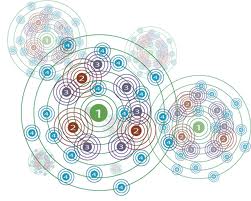
 For decades (and probably centuries), board development committees have answered this question the old fashion way. They sat down around a table and talked it over. Those committees who were successful had a diversity of people sitting around the table and were able to assess a prospect’s social network in an anecdotal manner. They talked about what they see and hear about the prospect. Here are just some of the things they most likely talked through:
 However, there are some “21st Century” tools that your board development committee might want to start using when talking through the issue of a prospect’s network. Consider the following:
 It’s the end of the year, which always seems like a good time to take stock. Did I meet my obligations? Did I rise to the occasion? Did I do what I said I would? Have I become what I aspired to be? Am I living an authentic life?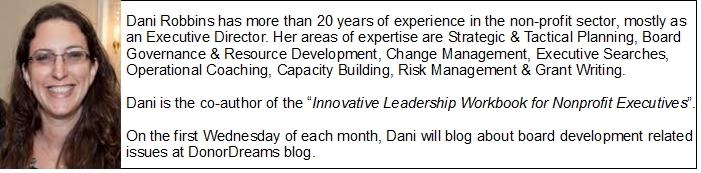
 For the last few weeks, I’ve found myself in a number of non-profit boardrooms talking to board volunteers about a variety of difficult subjects. These difficult conversations covered the following areas uncomfortable areas: staff reduction, re-organization, service reduction, radical revenue enhancement, board transformation, and so on. In each instance, it felt like a “soul-searching” discussion . . . very big and very weighty. I found myself wishing for a magic pill that I could dispense that would make their path forward a little less difficult.
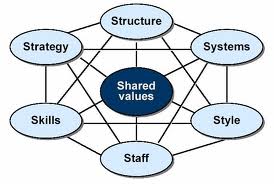 So, one organizations might find some comfort in their shared values of: