 Last week I was out with a friend for a glass of wine after work. We hadn’t seen each other in a few months, and we were catching up on lost time. “How are you? How is the new job? How’s your wife? Kids? Grandkids?” You know the drill. It was during this exchange that he dropped the bomb: “So, how is your partner? Ya know … the only time I ever see him is when he is asking me for a donation.”
I’ve been doing non-profit work for a long time now, and I’ve trained myself to recognize this for what it is worth. Whenever I hear donors say something like this, I immediately think of it as a cry for help. It is a donor who is screaming for attention. They want to know:
- Was my contribution appreciated?
- Is my contribution being put to work in the manner in which I was told it would be during the solicitation visit?
- Is my contribution making an impact?
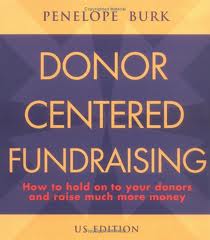
This is classic Penelope Burk stuff right out of her book “Donor Centered Fundraising“.
 What does your donor communication program look like? Does it include:
- newsletters
- bulk email / eNewsletters
- annual reports
- impact bulletins
- computer generated gift acknowledgement letters
- handwritten letters
- donor recognition societies (featuring stewardship activities)
- donor receptions
- donor surveys and focus groups
I suspect many of you utilize some of these best practices, but are you missing the most powerful and simple stewardship activity of them all? My gut feeling tells me that the answer to this question is probably ‘YES’.
If you are using a “prospect assignment process” that allows you to pair prospects with volunteer solicitors who they know well, then you need to take it one step further and design a stewardship program around those relationships.
You should not assume that two people who know each other fairly well don’t lose touch with each other. It happens all the time. Take a moment to mentally review everyone in your life with whom you own a phone call, email or letter. I bet that list is longer than you originally thought.
If you want to improve your donor loyalty rate (and stop losing donors for silly reasons), then I suggest you do these two simple things:
- Amend your written volunteer solicitor job description to include one more task that includes two personal touches (e.g. phone call or sit-down meeting). The first conversation is a simple touch focused on saying thank you and updating them on how their contribution is being used. The second touch is equally as simple with a reiterated message of appreciation and an update on how their contribution is having an impact.
- Develop a tickler system and poke your volunteers when it is time to make these two calls. We’re all busy, and reminders are necessary. You shouldn’t expect your volunteer solicitors to remember when stewardship calls should be made.
 These personal touches do not have to be all about your non-profit organization. I suggest that you train your volunteers to be less obvious. For example, both stewardship touches could be as simple as three minutes worth of messaging in the middle of a lunch meeting or after-work cocktail. It should feel organic and nature. It shouldn’t feel forced or contrived.
Making these additions to your donor communication program will likely improve your donor loyalty rates, but it should also help your volunteers become better solicitors . . . less reluctant and more confident.
If there is one thing I hear all of the time from volunteers, it is how fearful they are with “over-soliciting” their friends for charitable gifts. I believe this is rooted in the fact that volunteers aren’t involved in the stewardship process. So, they have doubts that the right things are being done in between solicitation calls to demonstrate return on investment.
So why not involve them?
Oh yeah . . . there is one more added benefit to adding these tactics to your stewardship plan. You end up stewarding your volunteer solicitors at the same time because you are providing them updates to share with their friends and your donors.
Does your agency have something like this folded into its stewardship program (e.g. Moves Management)? If so, how well does it work for you? Have you tracked your success? What was the impact on your retention rates? What were your challenges and how did you overcome them? Please use the comment box below to share your thoughts and experiences. We can all learn from each other.
By the way, my partner is a subscriber to this blog. So, my shout out to him is: “I think you should reach out to you-know-who and schedule time to catch up over a glass of bourbon.” 😉
Here’s to your health!
Erik Anderson
Founder & President, The Healthy Non-Profit LLC
www.thehealthynonprofit.com
erik@thehealthynonprofit.com
http://twitter.com/#!/eanderson847
http://www.facebook.com/eanderson847
http://www.linkedin.com/in/erikanderson847
 Over the years, I’ve met non-profit board volunteers who didn’t see value or the need for staff. Likewise, I’ve met countless numbers of staff who complain about their board members. I’ve also met executive directors who deliberately do things to disengage their board volunteers (e.g. taking on fundraising responsibilities, reducing the number of board meetings, etc).
 When I engage non-profit organizations in board development related issues, it can be like simultaneously operating in two parallel and polar opposite universes. One universe exists where everyone is talking about how things are “supposed to be” done. This is described in the agency’s written board development plan. In the other universe, there are board members and staff sitting around a table talking about “some guy” they know without any discussion about board composition gap assessment, prospect lists, prospect evaluation or anything that sounds like process.
 With this in mind, I am reminded of an old “Mondays with Marissa” post from a year ago titled “
 Welcome to O.D. Fridays at DonorDreams blog. Every Friday for the foreseeable future we will be looking at posts from John Greco’s blog called “
 Do you see it? Culture eats strategy!
 Hmmmm … looking back at that meeting, I think he was cooking up a hearty breakfast for me.
 Once your hire an Executive Director, s/he needs to be supported. Supporting an Executive Director is where the rubber meets the road.
 I’ve seen it happen way too often. A fundraising professional or the executive director says to a group of people — using at a board meeting — something like this: “We need volunteers to help with our special event fundraiser. Who can help?” At first, there is an awkward silence and no hands go up. Then there are a few reluctant hands. Whenever I see this happen, I’m always left wondering if those were the right people for the job and how many of those people are clowns?
 I was sitting in the bleachers at Wrigley Field. I was there with my father and my partner. The quality of baseball on the field was terrible, there was a constant drizzle of rain falling from the sky, and the fans were obviously getting antsy. Suddenly, one of the fans got to his feet and yelled at the top of his lungs:
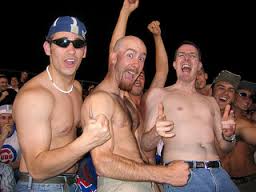 I’m sure some of you are probably skeptical and for good reason. I mean how crazy and distracting would it be to have a committee of people who all want to be the center of attention. Crazy . . . I’m sure! However, I can’t help but dream about the type of event those folks would build in the name of securing more recognition and attention all to benefit my agency.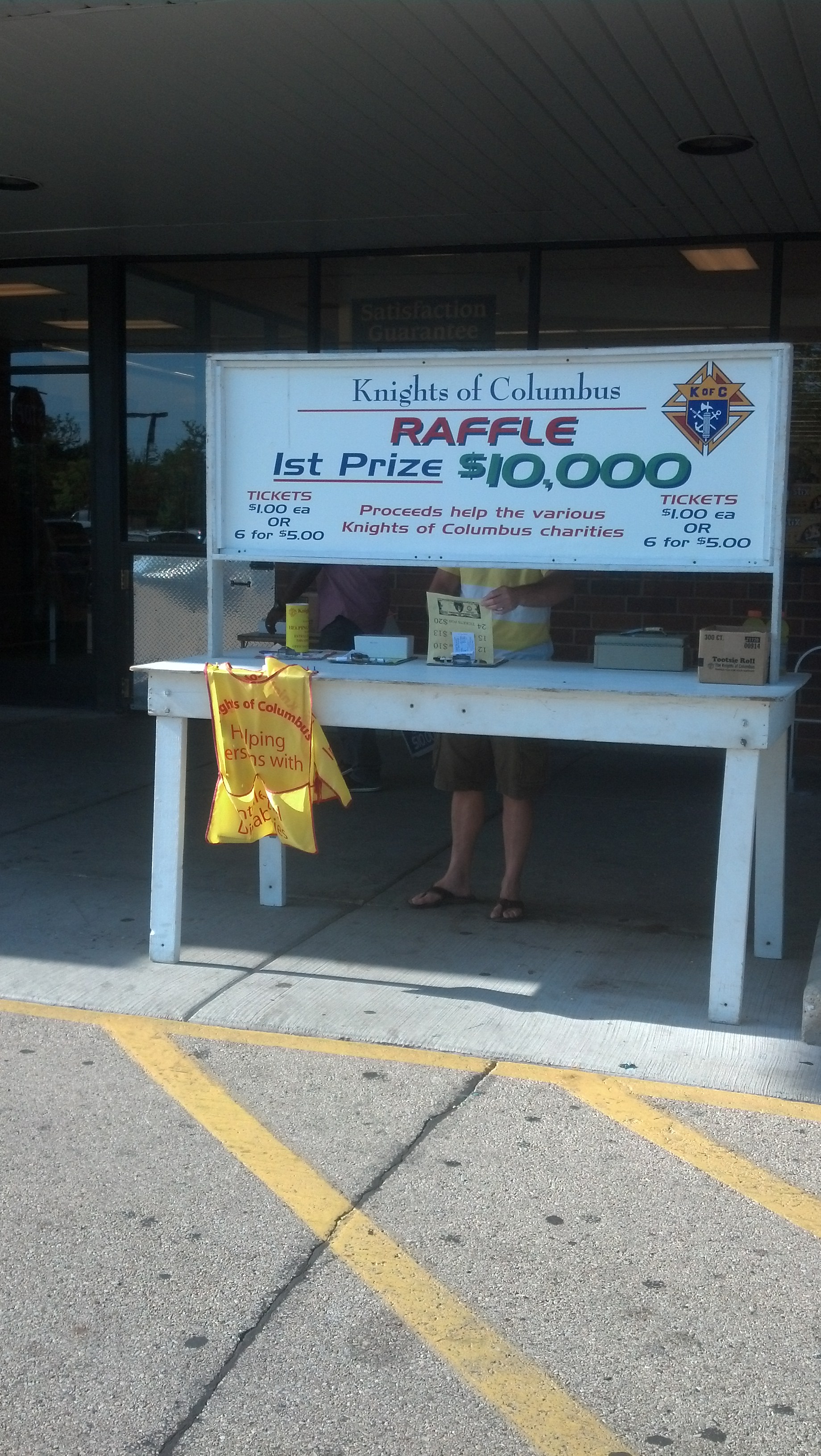
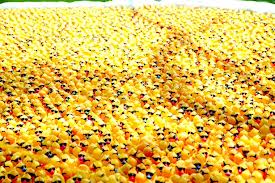 These five bullet points are just the tip of the iceberg. The fact of the matter is that we started planning next year’s Duck Race in the immediate days and weeks after wrapping one up. This special event raffle was a year-round affair.
 Last month I wrote on post entitled
  The alternative is this with the same beginning:
 Here’s the rub . . . Board strength isn’t just an internal issue that is invisible to the community. It is visible. Here’s what it looks like: